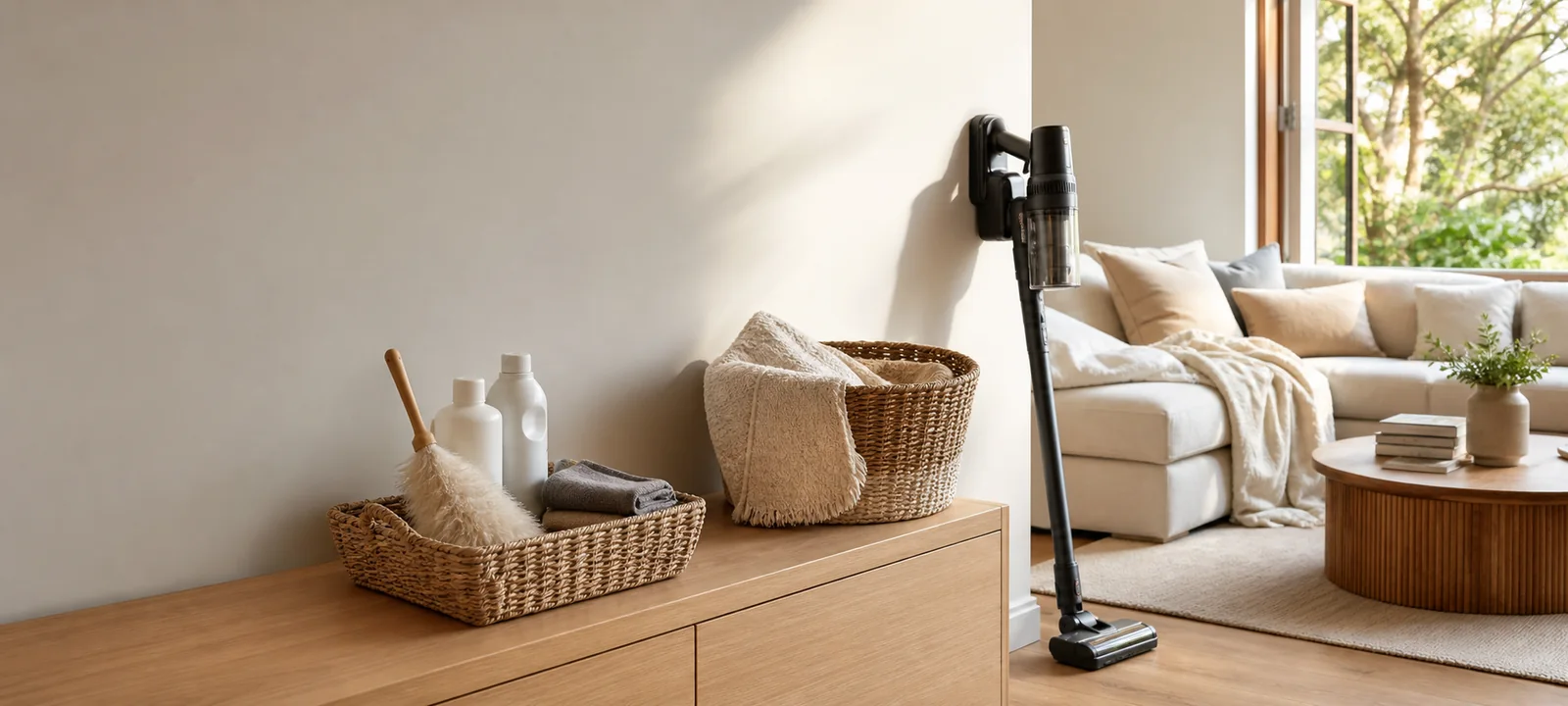
Spring Cleaning Checklist
Work through a practical room-by-room reset without turning seasonal cleaning into an unnecessary shopping exercise.


Seasonal Guides
Australia’s seasons do not affect every household in the same way. Winter in Victoria or Tasmania can bring very different priorities from winter in northern Queensland or the Northern Territory, while summer conditions also vary considerably by region.
These seasonal collections bring together practical home guides that become especially useful at different times of year. Use them as a planning starting point, then consider your local climate, the design of your home and the conditions where you live.
Introduction
Some household decisions become urgent only after the weather changes. Portable heaters disappear during a cold spell, air-conditioning installers become heavily booked during summer, and outdoor projects are often delayed until conditions are already uncomfortable.
Planning earlier gives you more time to understand the options, check measurements, arrange quotes and choose a solution that suits your home rather than settling for whatever is immediately available.
The guides below are organised by their strongest seasonal relevance, but many remain useful throughout the year. Reverse-cycle air conditioners, for example, can provide cooling in summer and heating in winter, so they belong in more than one seasonal conversation.
Seasonal Guides
Spring often brings a shift towards cleaning, maintenance and preparing outdoor areas for warmer weather. It can also be a practical time to inspect cooling equipment and complete outdoor projects before summer demand increases.
Work through a practical room-by-room reset without turning seasonal cleaning into an unnecessary shopping exercise.
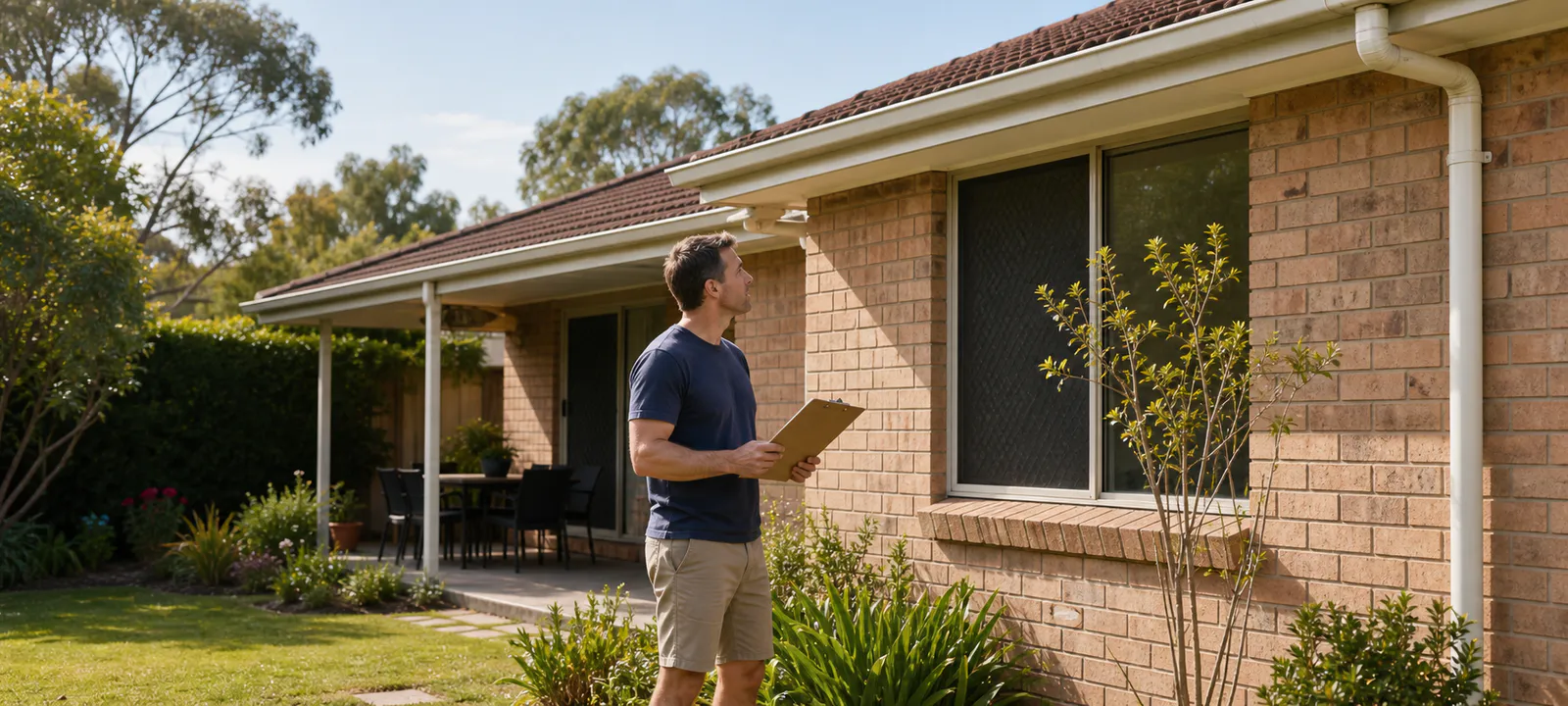
Check gutters, windows, cooling, moisture, smoke alarms and outdoor areas before warmer weather arrives.
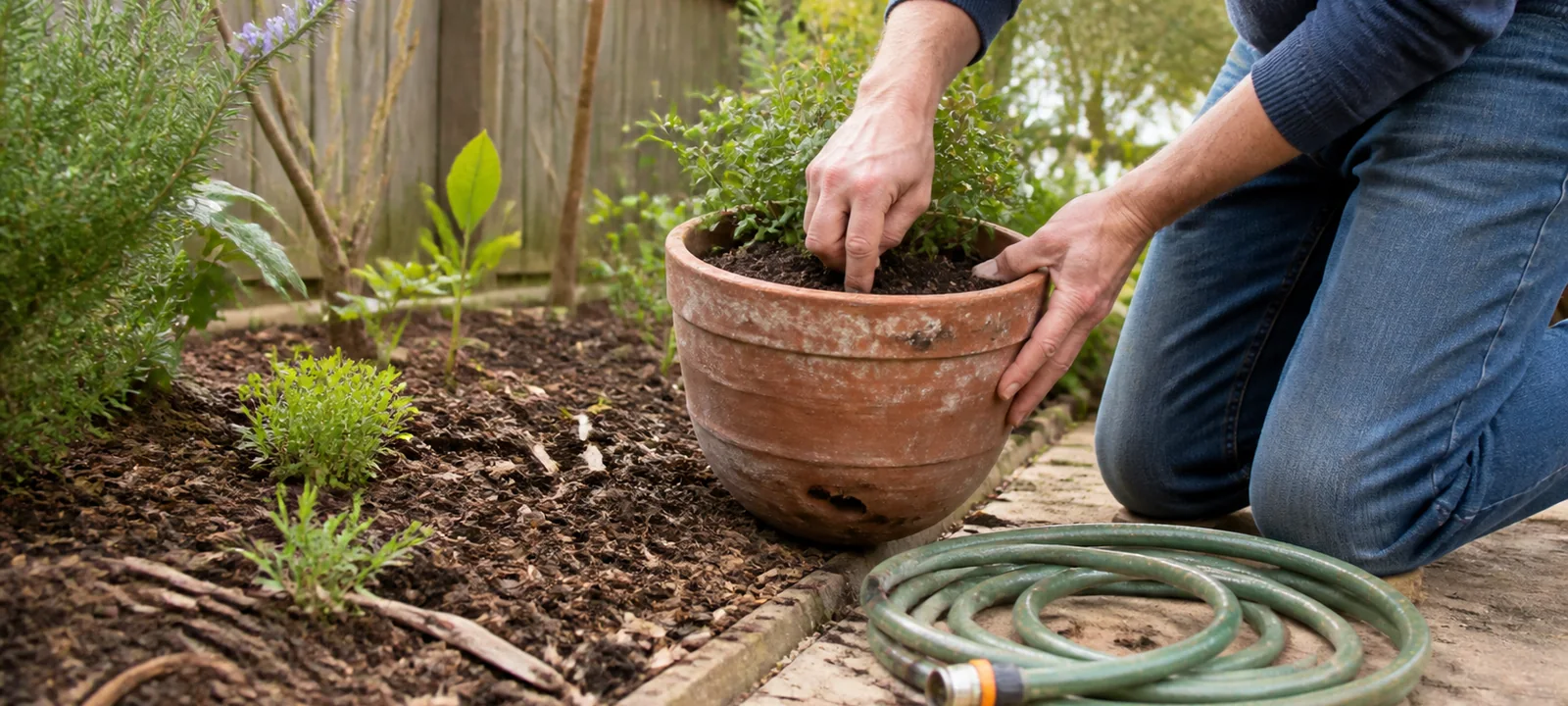
Inspect plants, soil, mulch, pots, irrigation and tools, then set practical priorities before hotter weather arrives.
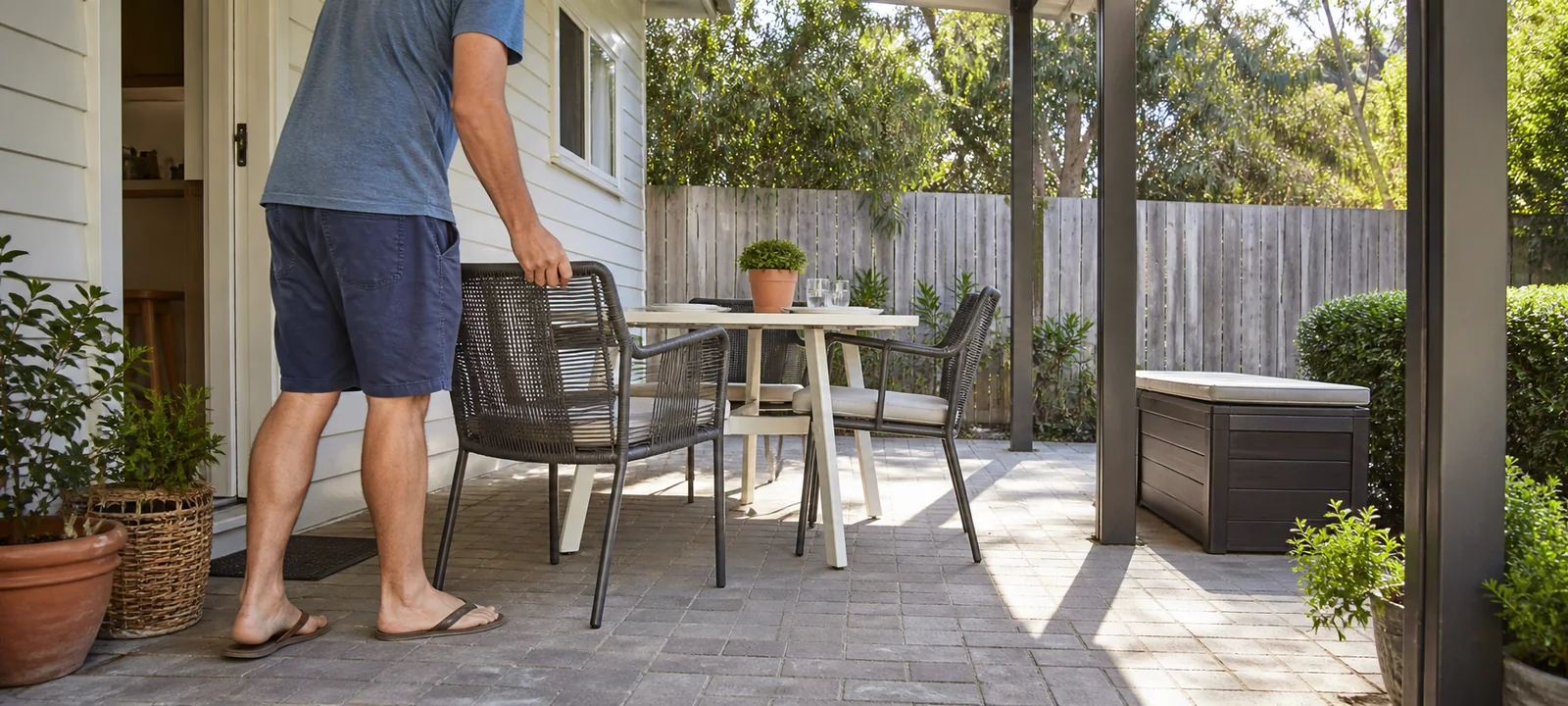
Reset one usable outdoor entertaining area in an hour, then check its cleaning, layout, shade, storage, lighting and pack-down routine before summer.
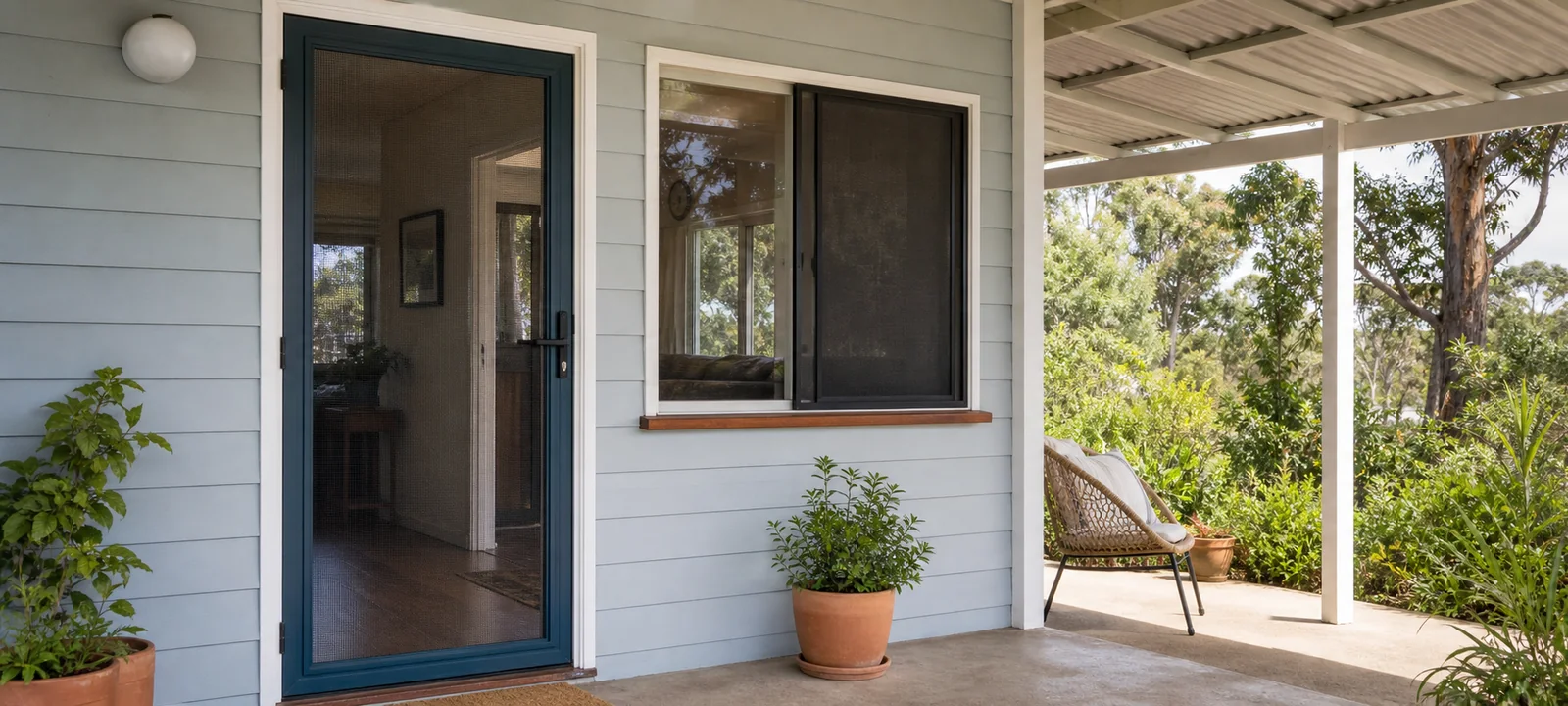
Trace insect entry points, repair screens and seals, remove attractants and standing water, and understand product limitations.
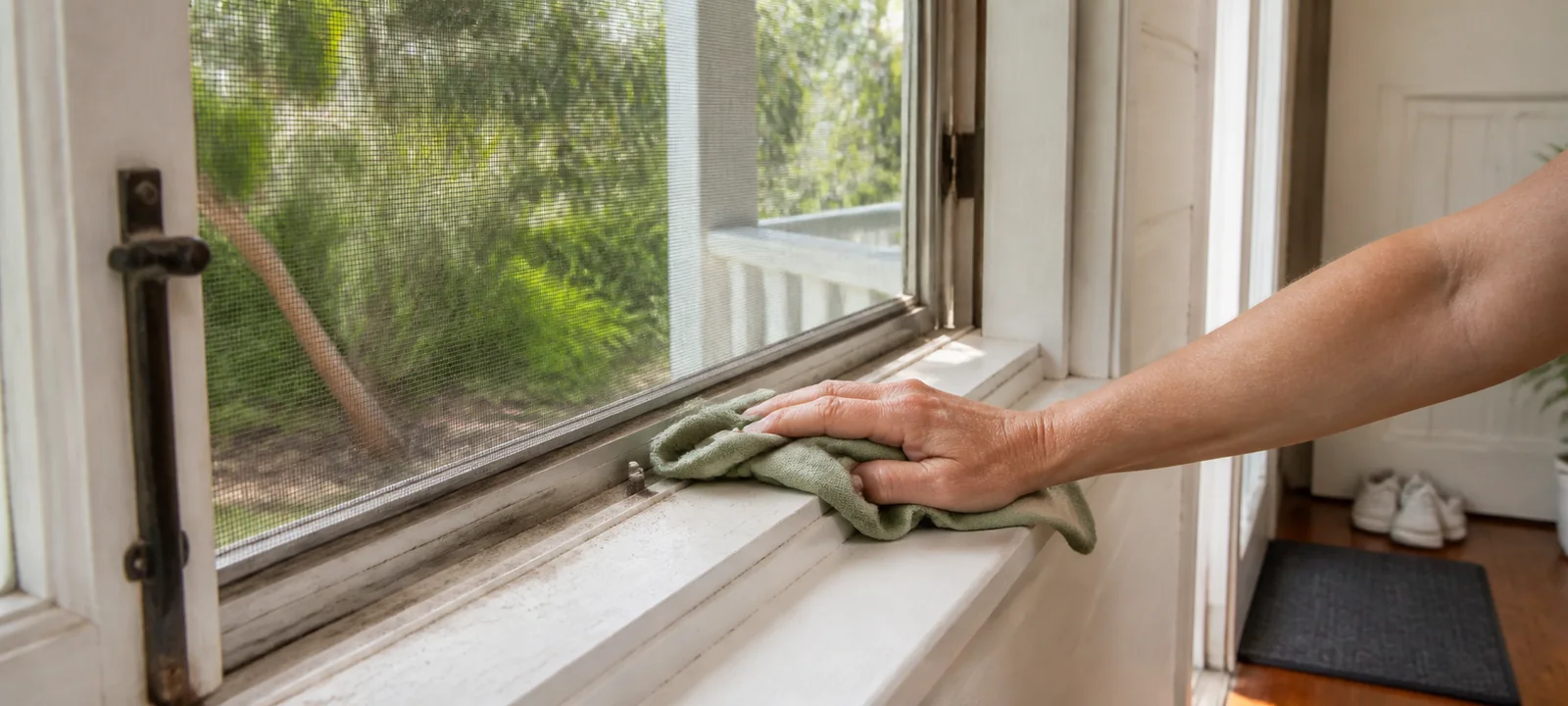
Trace entry routes, manage outdoor clothes and pet traffic, remove settled material and understand filtration limits.
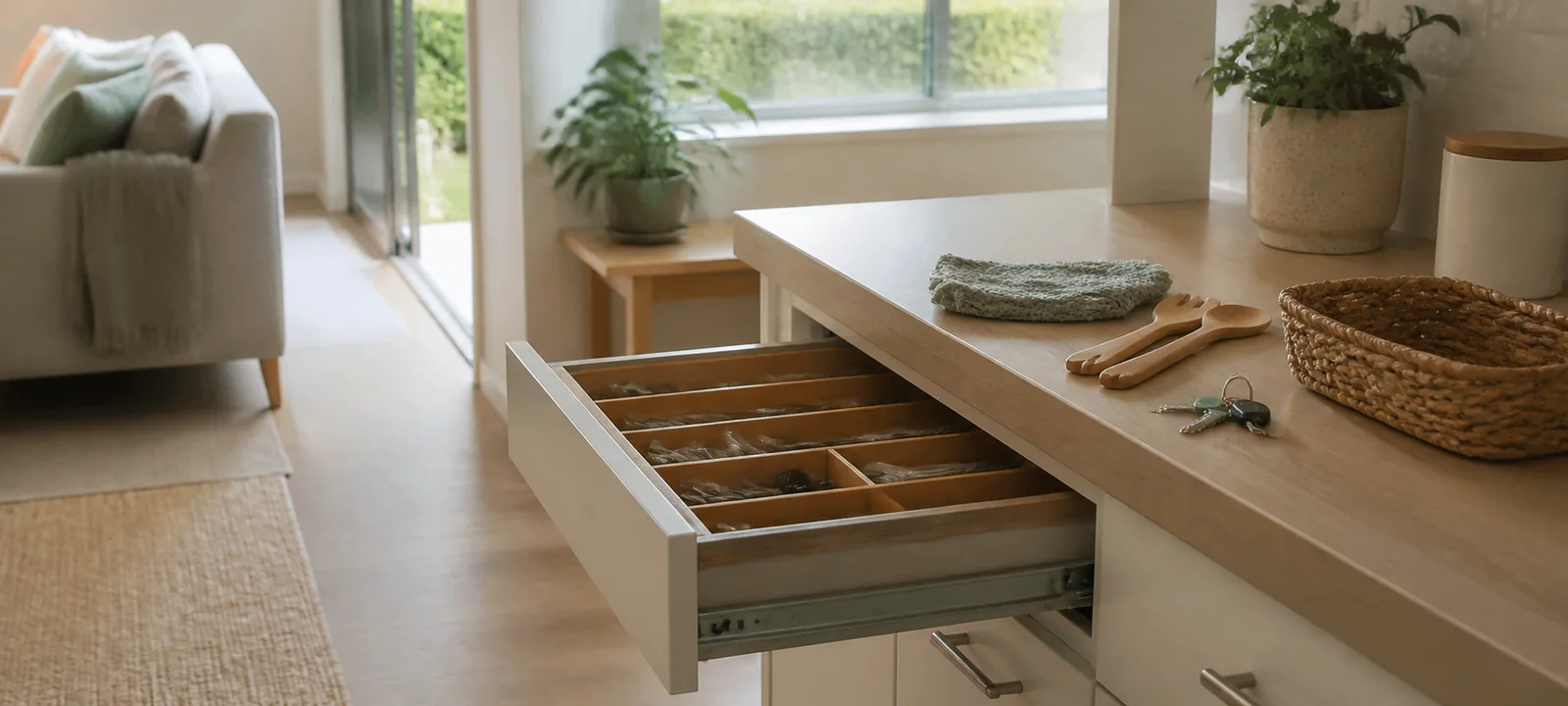
Choose one small spring job to make a drawer, shelf, surface or everyday area feel easier to use.
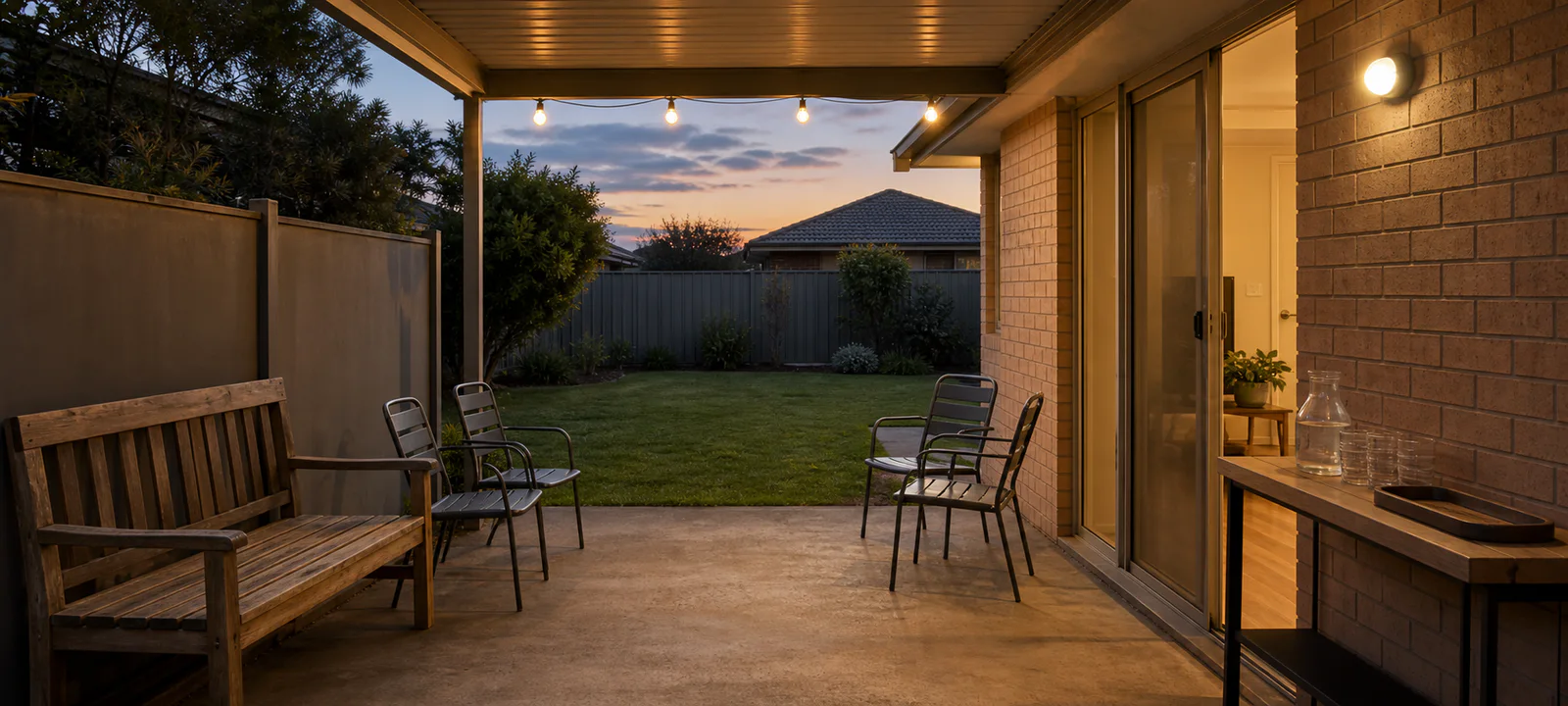
Plan seating, shade, lighting, storage and circulation before buying products for an outdoor entertaining space.
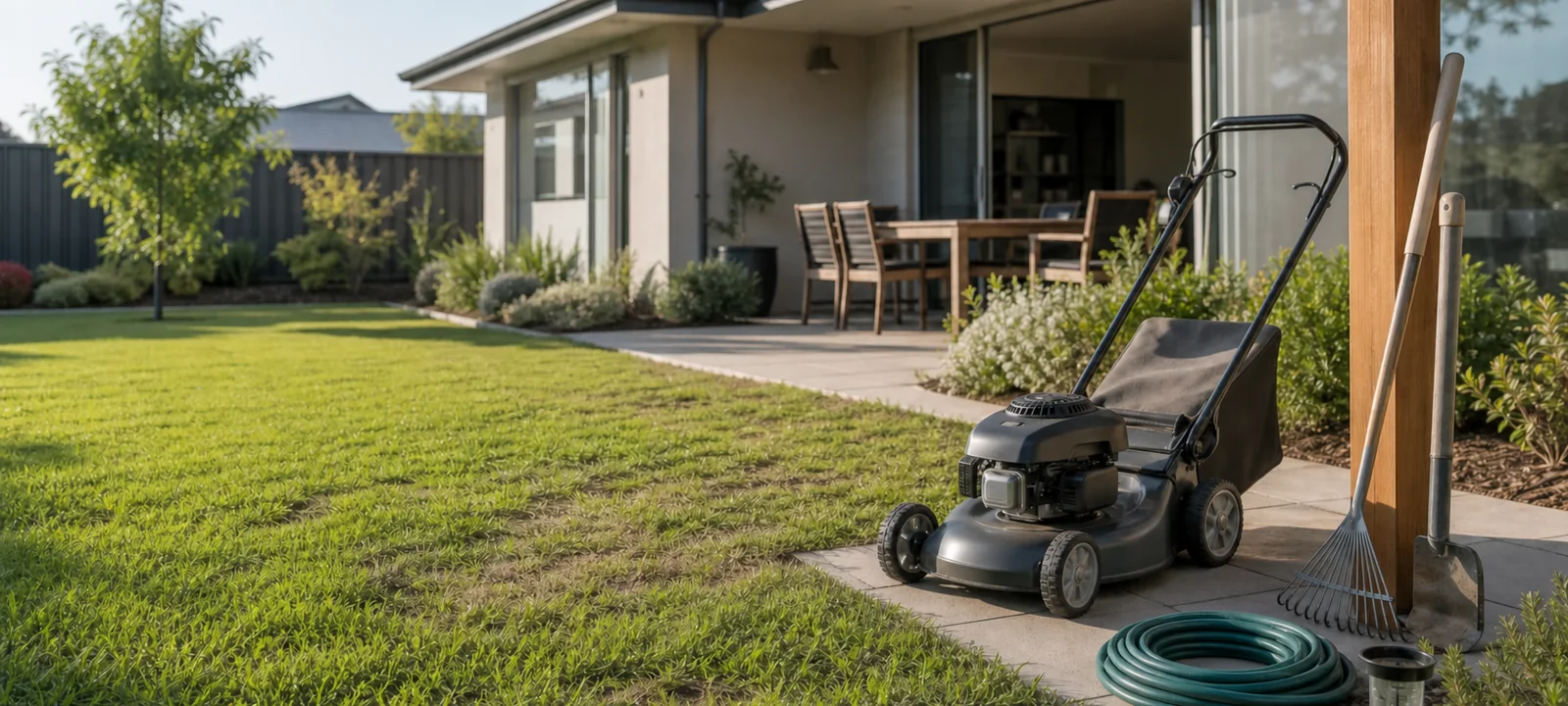
Start with the condition of the lawn, local climate and maintenance requirements before choosing equipment or treatments.
Seasonal Guides
Summer places different demands on Australian homes depending on location, humidity, building design and exposure to heat. Cooling, airflow and shade are often more useful starting points than simply buying the largest appliance available.
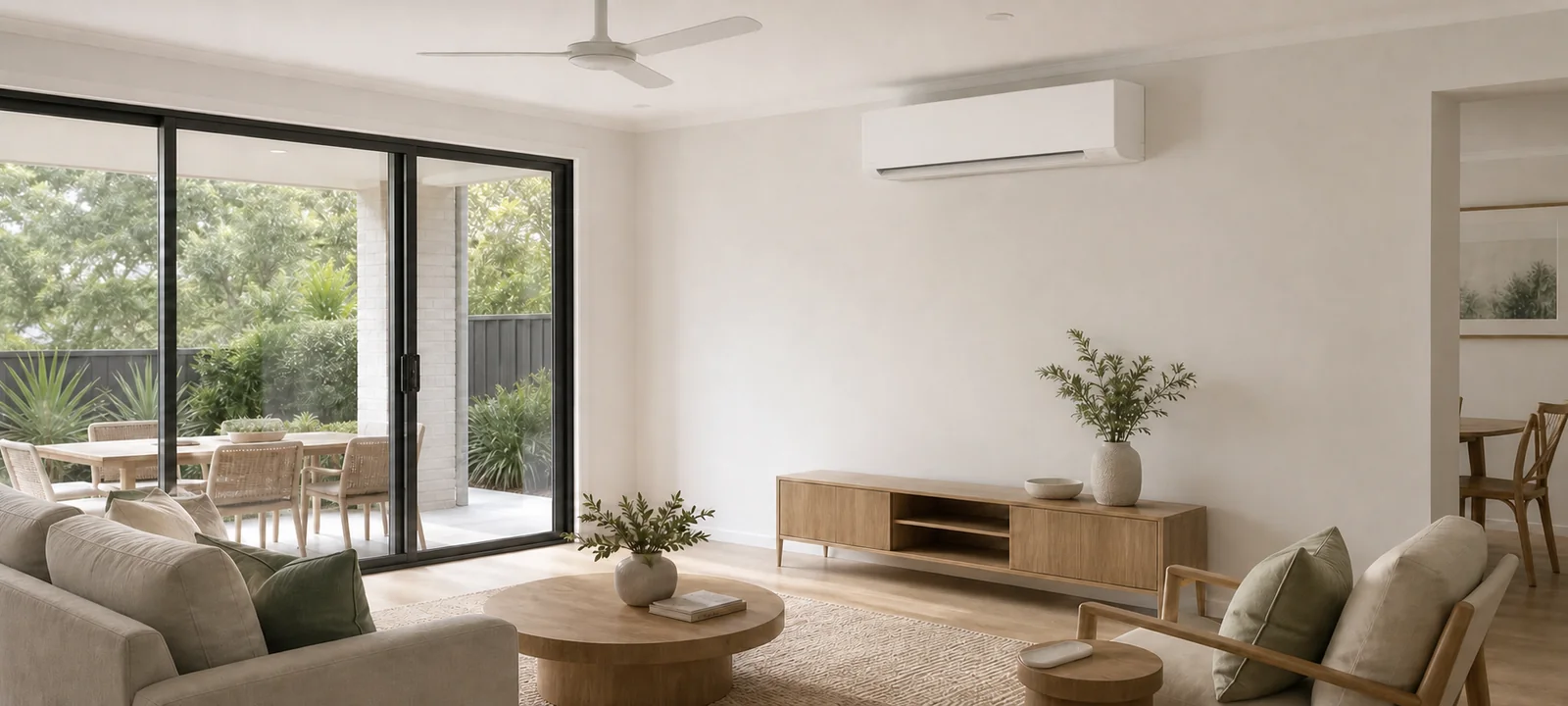
Compare split systems, multi-split arrangements, ducted systems and other cooling options before arranging installation.
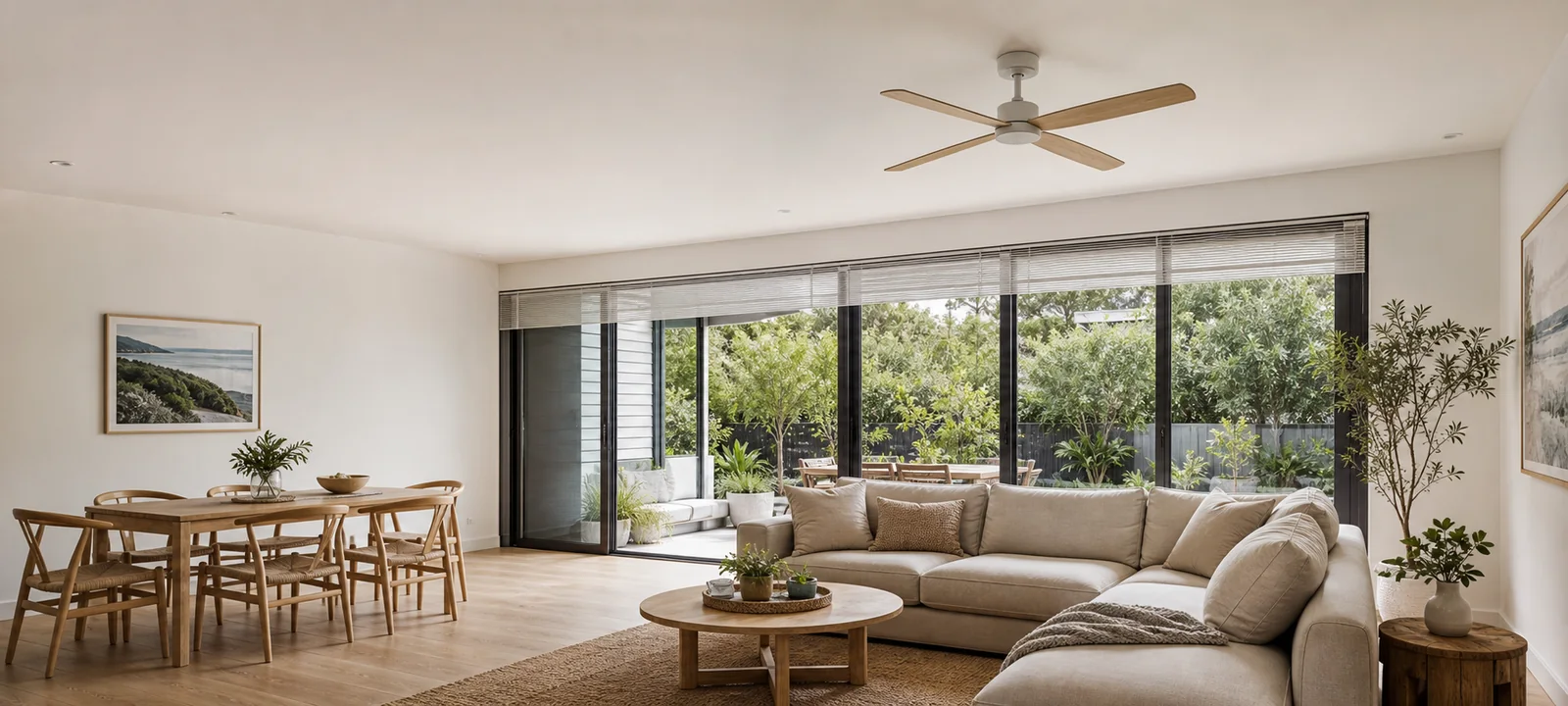
Check room size, ceiling height, blade clearance, mounting requirements and controls before choosing a ceiling fan.
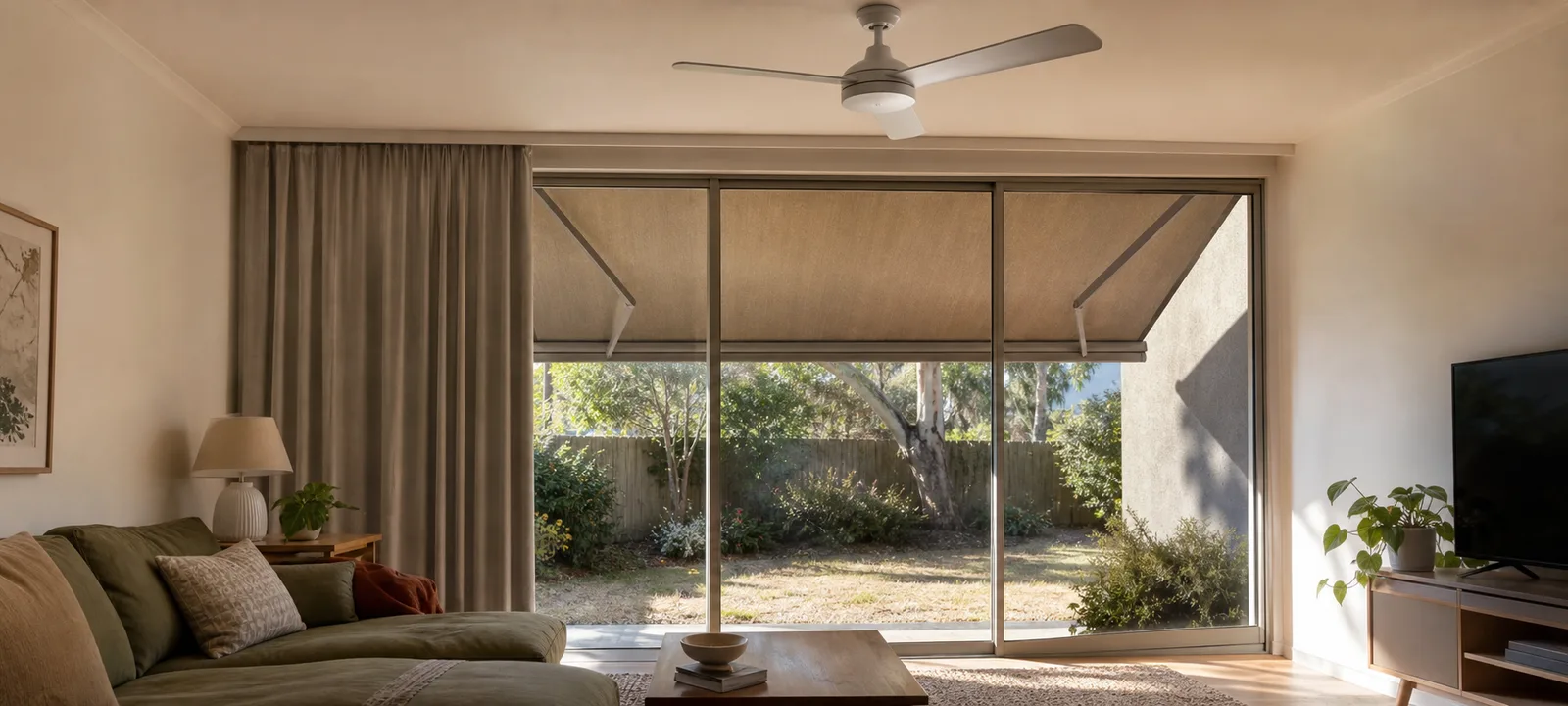
Reduce summer heat gain with practical Australian guidance on shading, insulation, ventilation, fans, draughts and efficient air-conditioner use.
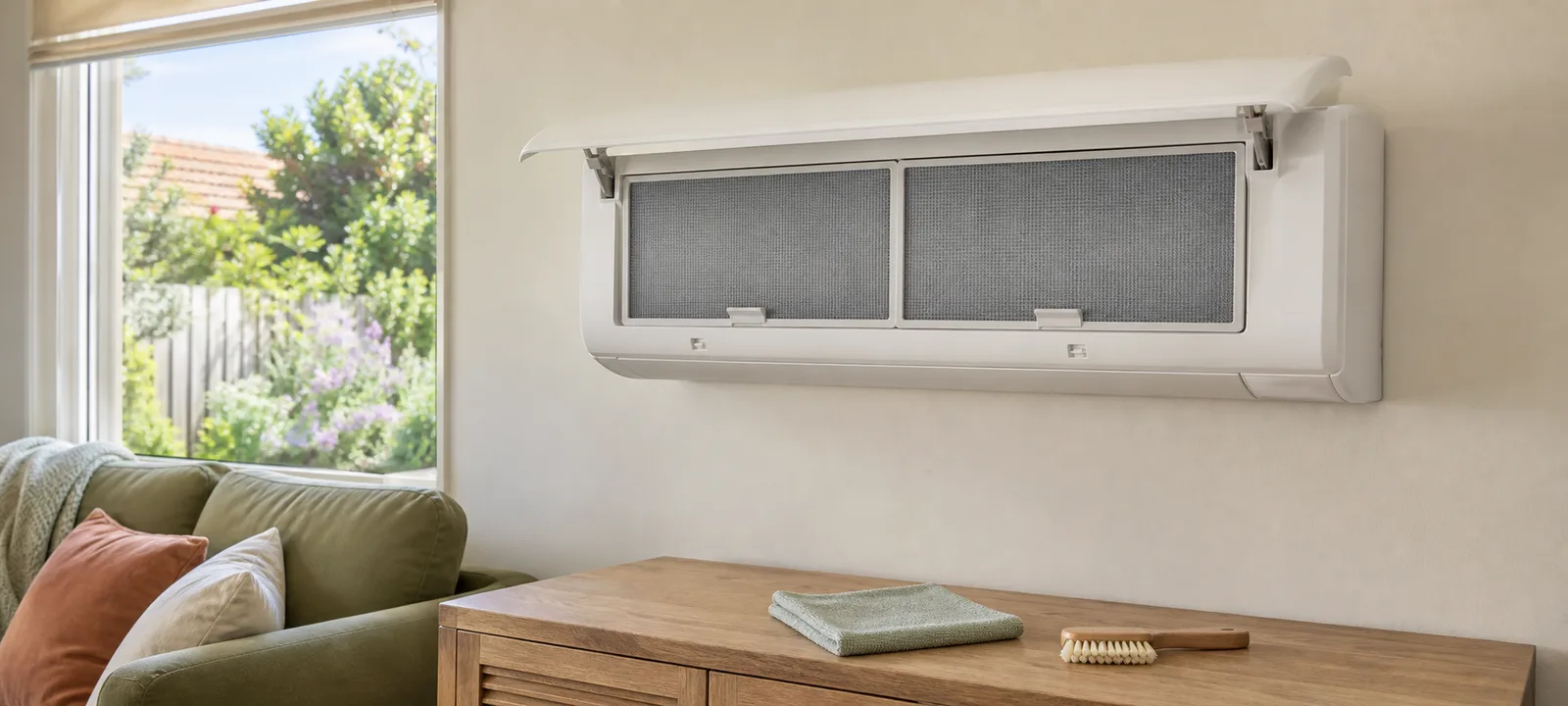
Check air-conditioner filters, airflow, drainage, controls and outdoor clearances before summer, and know when licensed technical servicing is required.
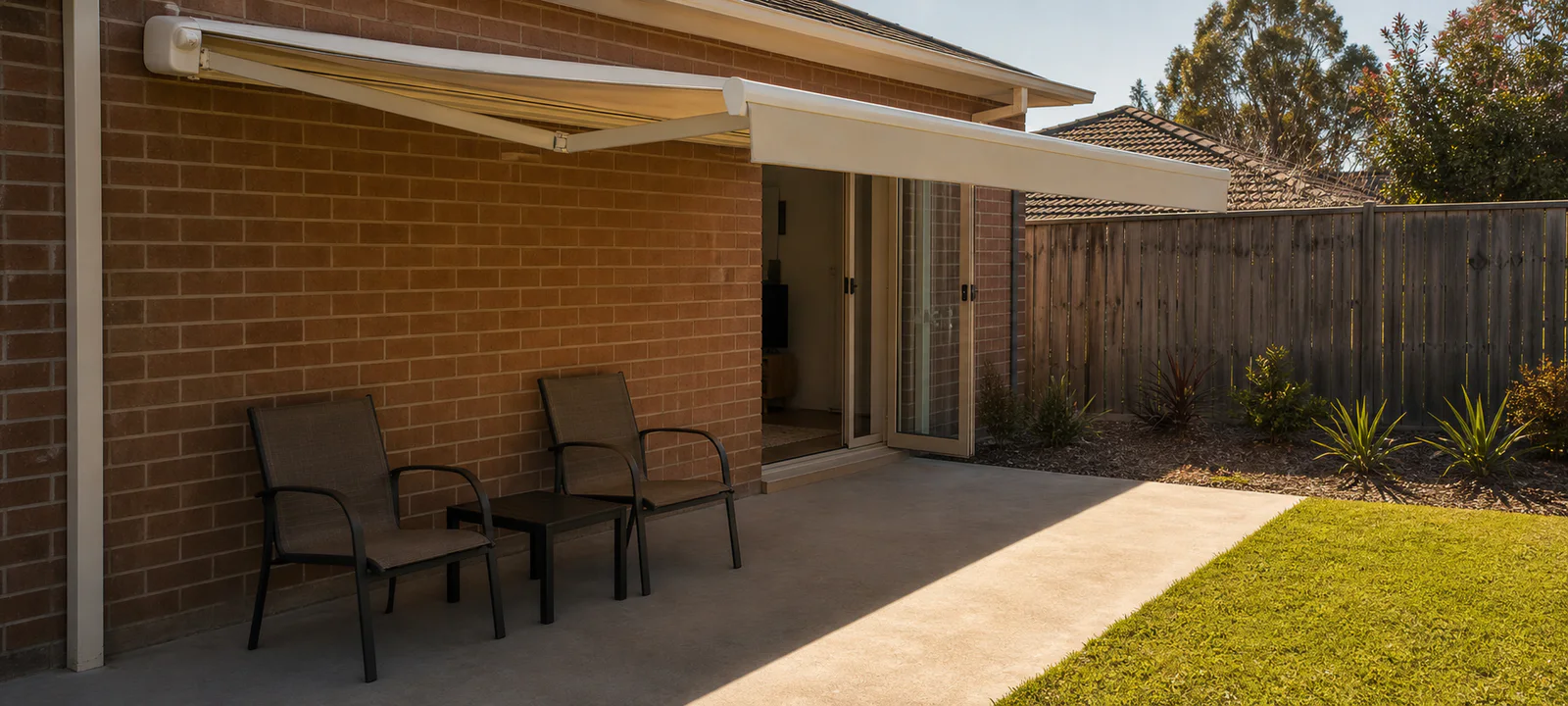
Compare permanent and flexible shade solutions for patios, decks, windows and outdoor living areas.

Plan useful Australian-made gifts for the home, kitchen, table or garden within a delivered budget.
Seasonal Guides
Autumn is a useful planning period between the extremes of summer and winter. In cooler parts of Australia, it provides time to address heat loss and organise heating before demand rises. In warmer regions, it may be more relevant for maintenance, ventilation and preparing the home for changing humidity or dry-season conditions.
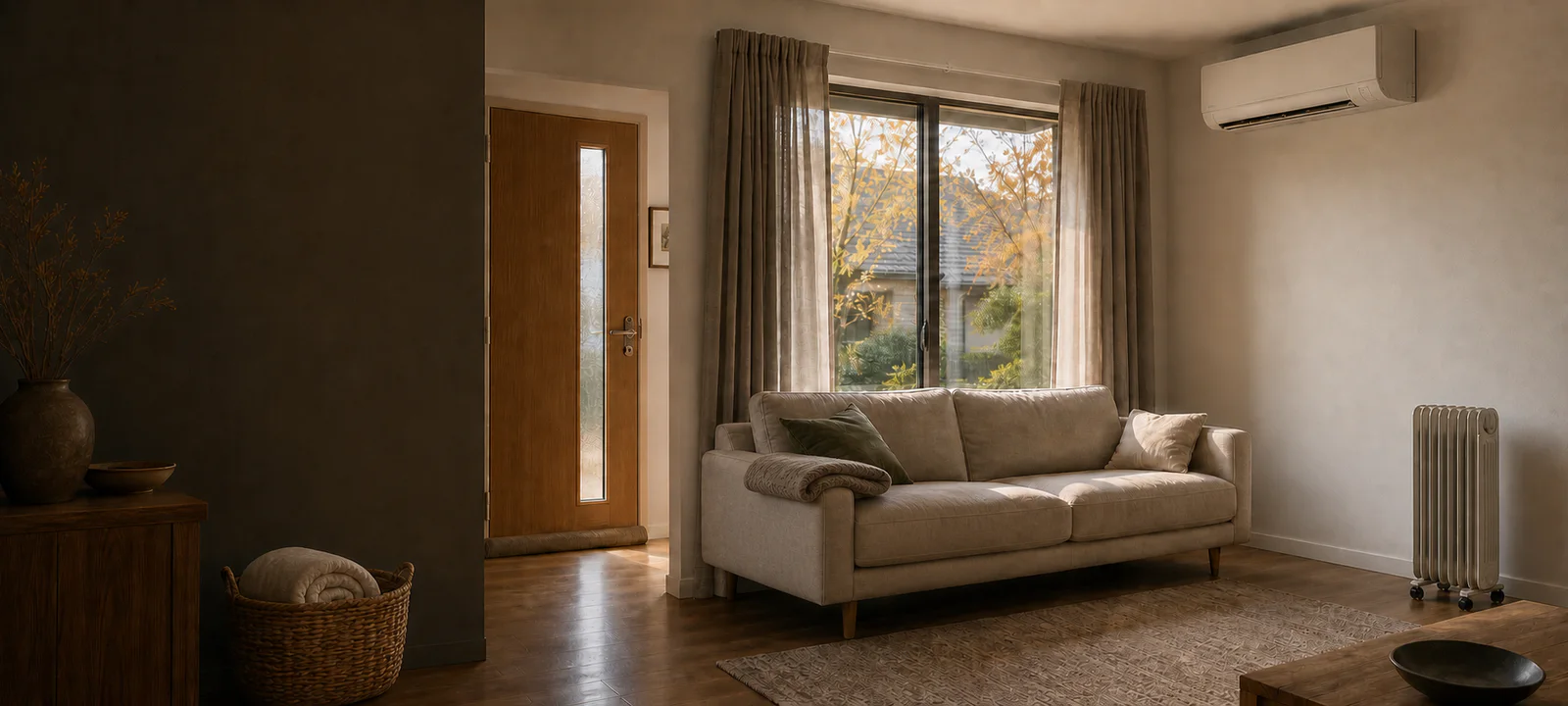
Check heating, draughts, window coverings, bedding and maintenance tasks before colder conditions arrive.
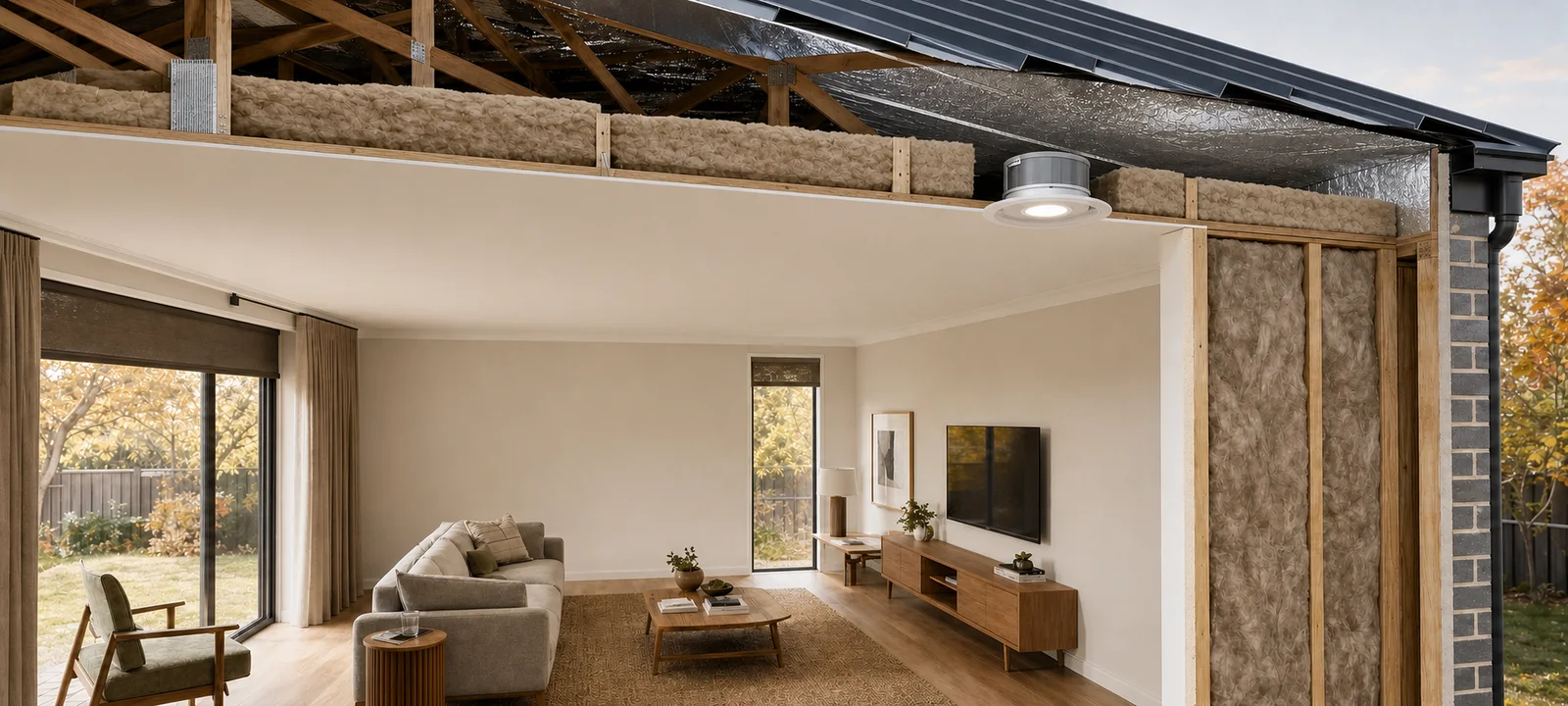
Understand where homes commonly lose and gain heat, and what to investigate before committing to insulation upgrades.
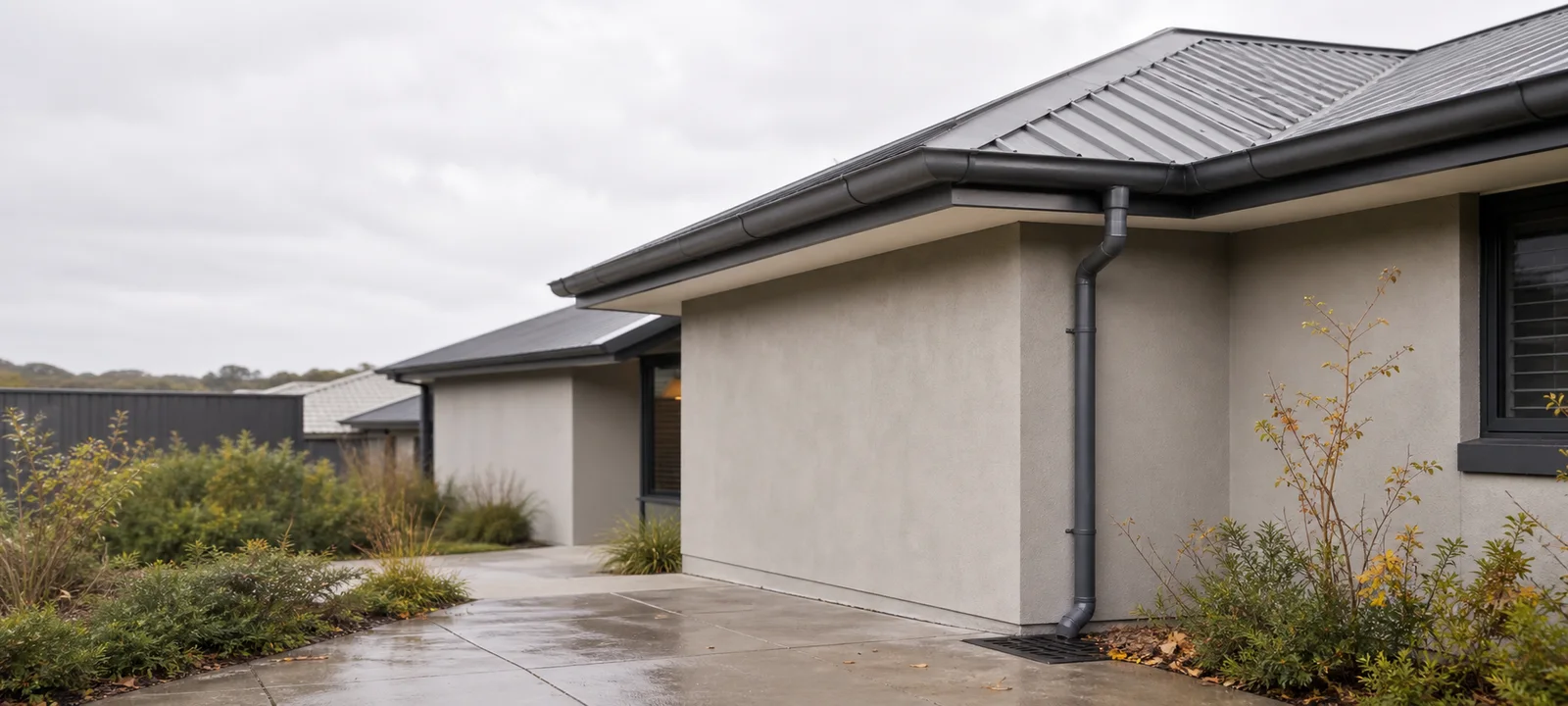
Know what to inspect, when professional help may be needed and how local weather conditions affect maintenance timing.
Seasonal Guides
Winter priorities vary widely across Australia. Cooler southern regions may require regular room or whole-home heating, while households in warmer climates may only need occasional heating during early mornings or cooler evenings.
Winter is also when draughts, poor insulation, condensation and uneven room temperatures become easier to notice. These guides focus on choosing suitable heating options and improving comfort without assuming that every home needs the same solution.
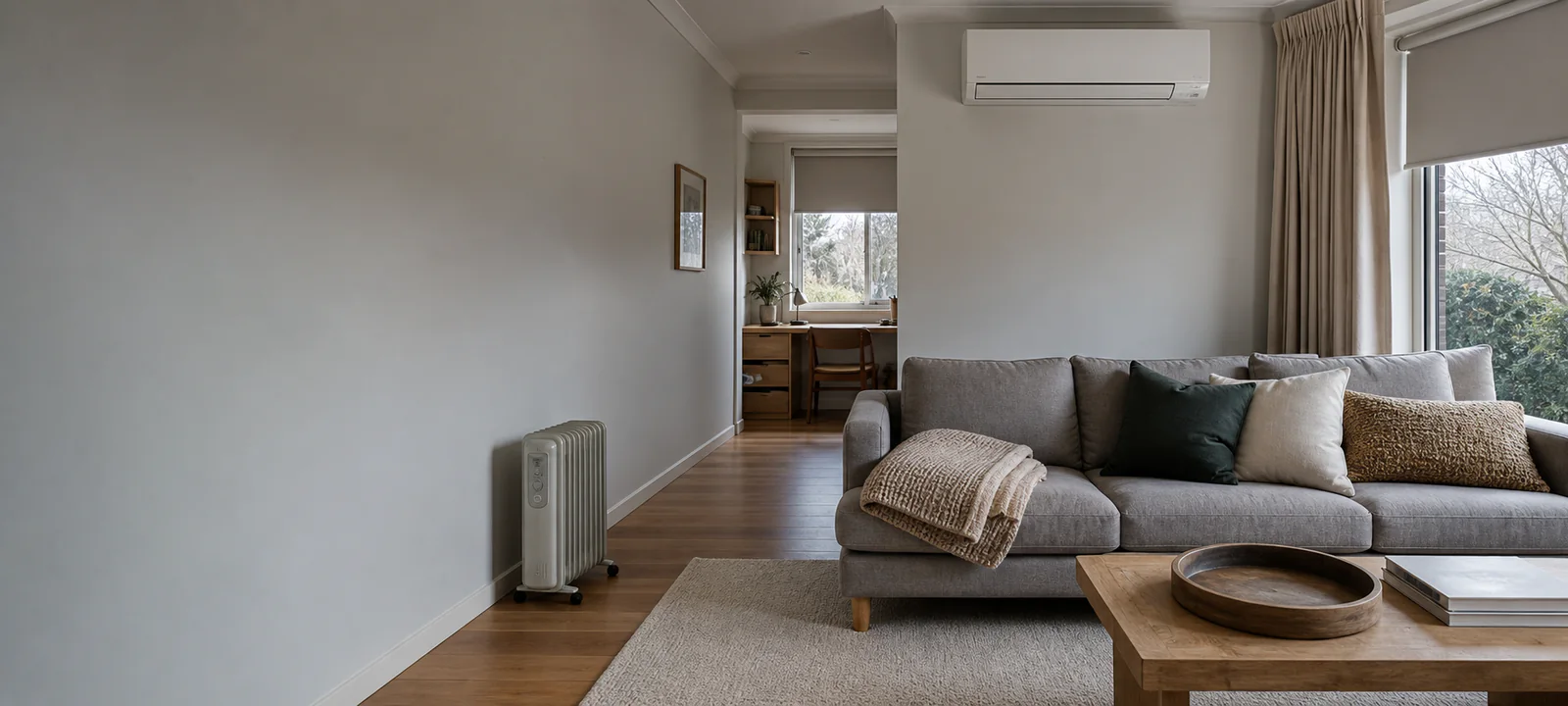
Compare portable heaters, reverse-cycle air conditioning, ducted systems, electric bedding and other common options before deciding how to heat your home.
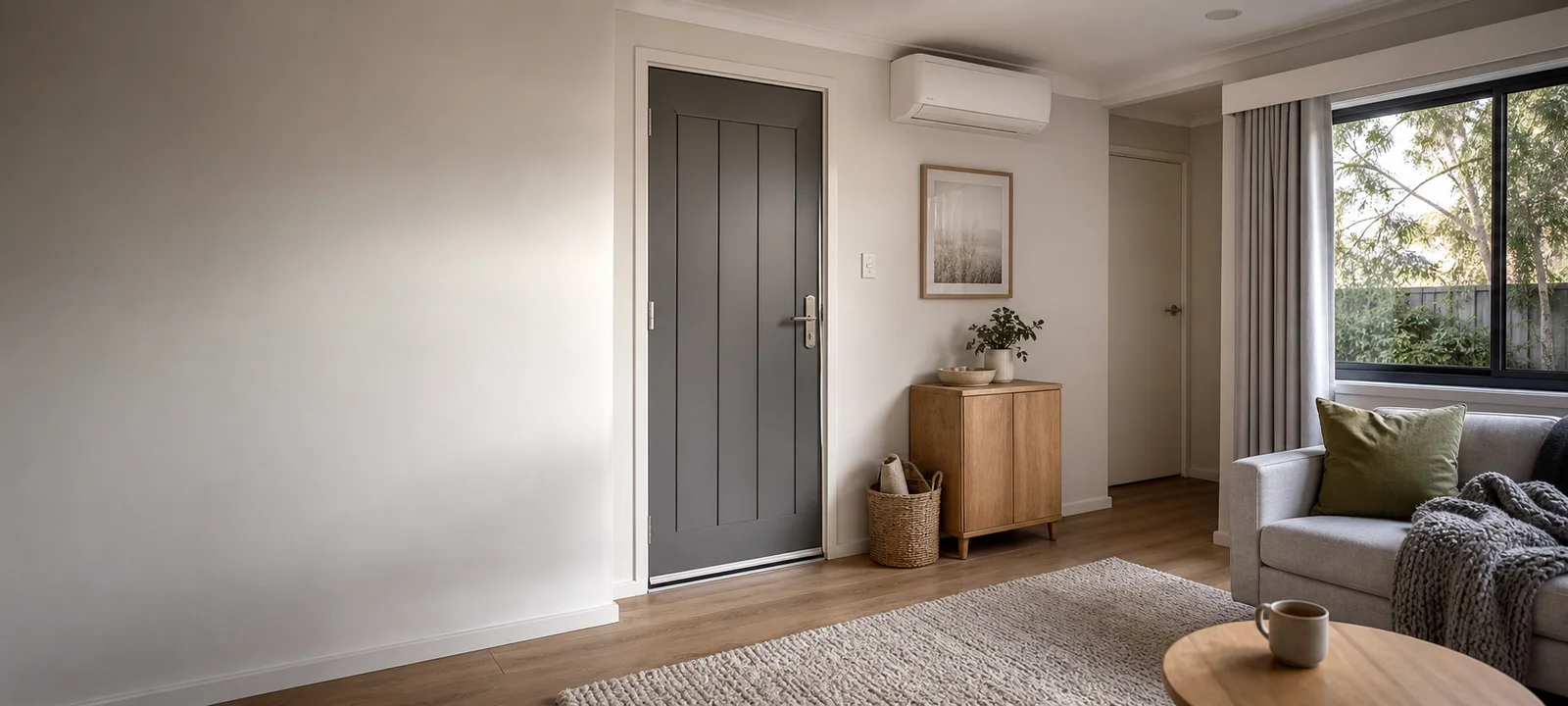
Find avoidable air leaks around doors, windows, exhaust fans and other gaps without blocking the ventilation your home requires.

Compare bed warming, reverse-cycle heating and portable options while checking airflow, noise, cords, clearances and safe bedtime use.
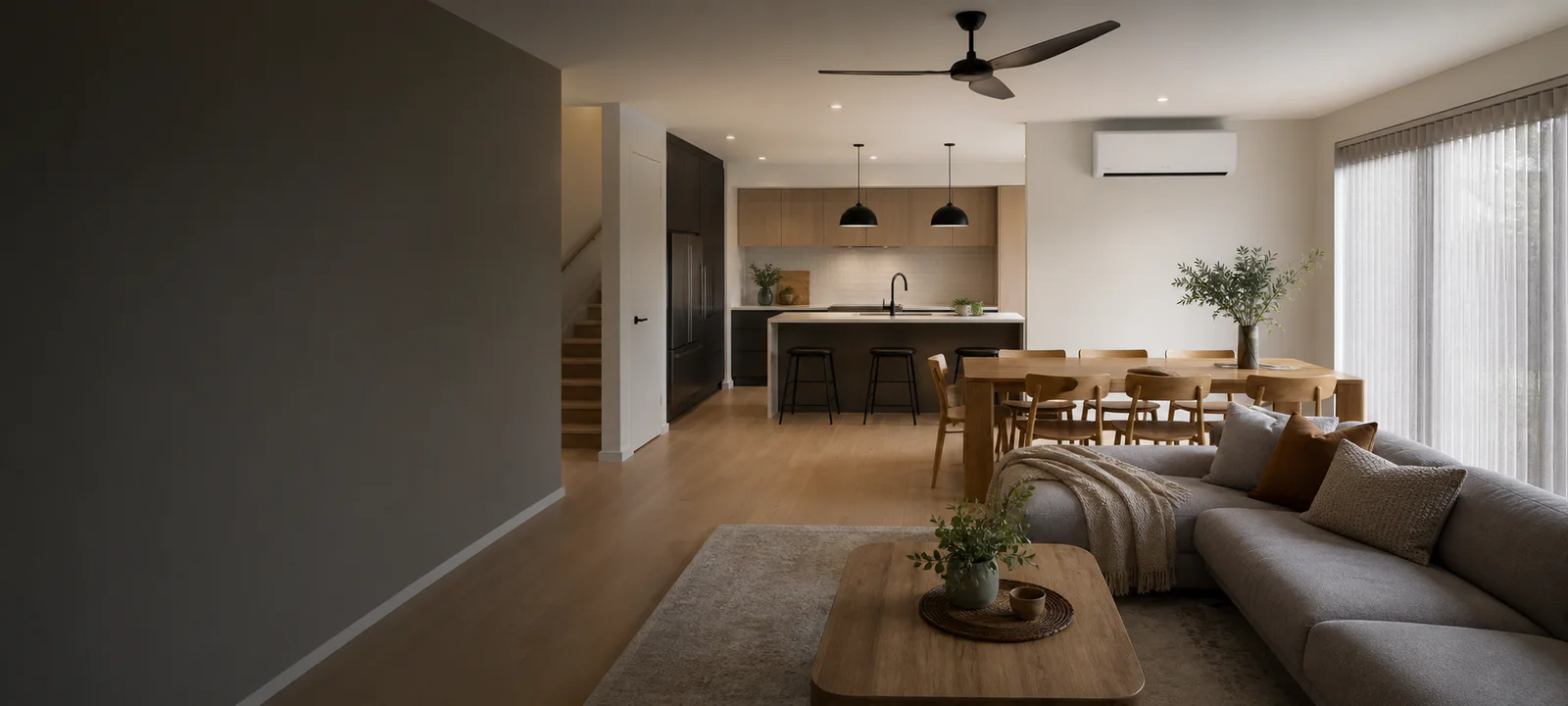
Measure the complete connected volume, glazing, ceilings and airflow before choosing heating for a kitchen, dining and living area.
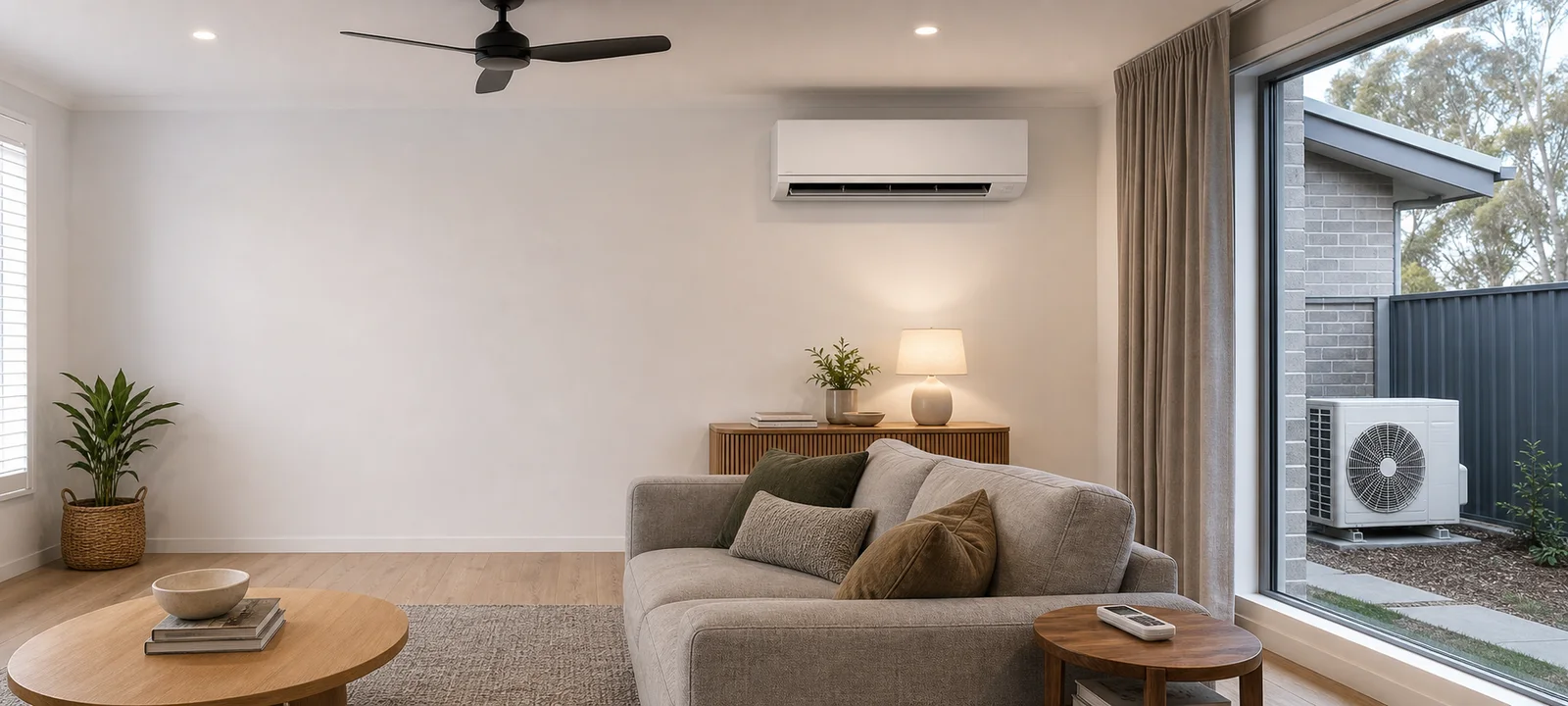
Understand heat-pump operation, winter efficiency, climate-zone performance, defrost cycles, sizing and installation before relying on reverse-cycle heating.
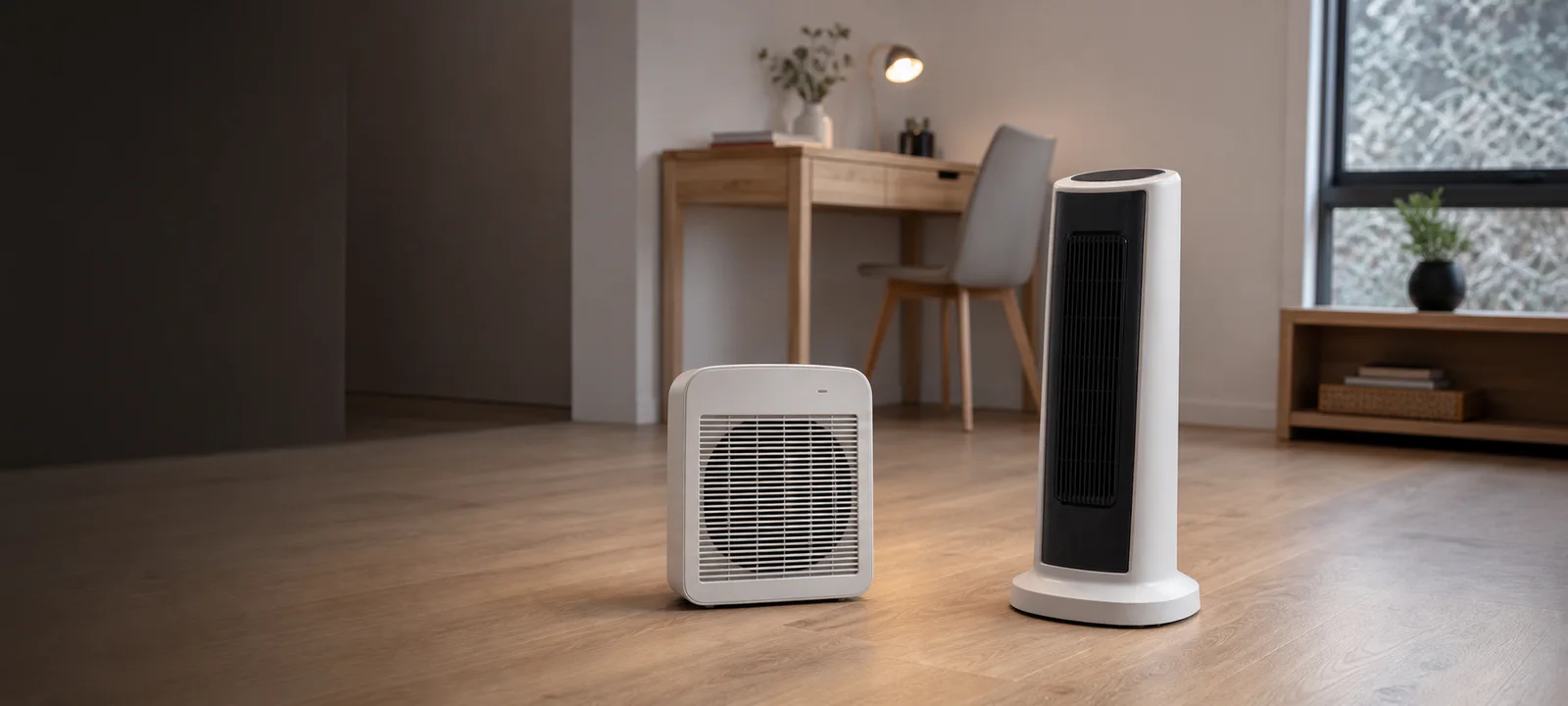
Compare two common portable heating options, including warm-up speed, noise, controls and suitable room use.
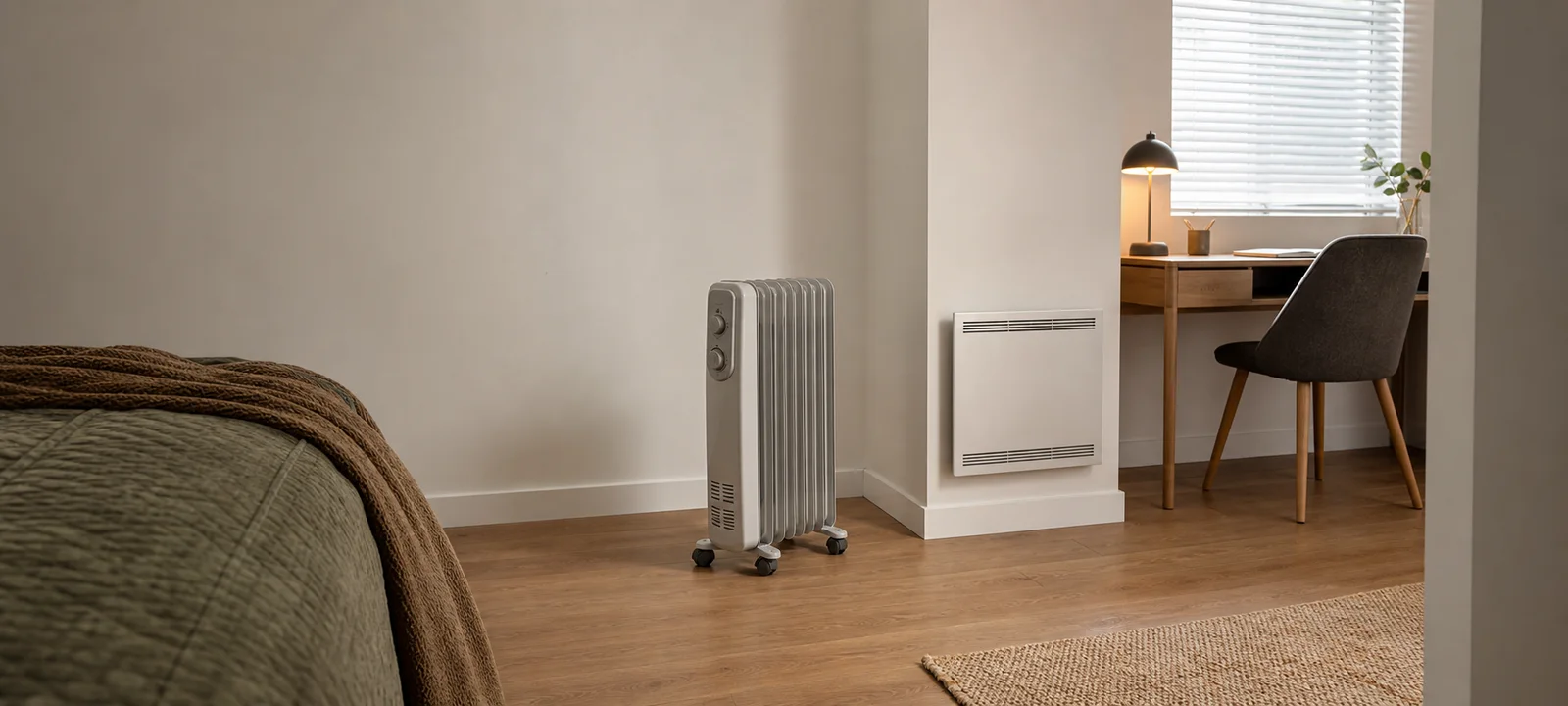
Compare two quiet electric heating options, including warm-up time, retained warmth, wall and floor placement, controls and electricity use.
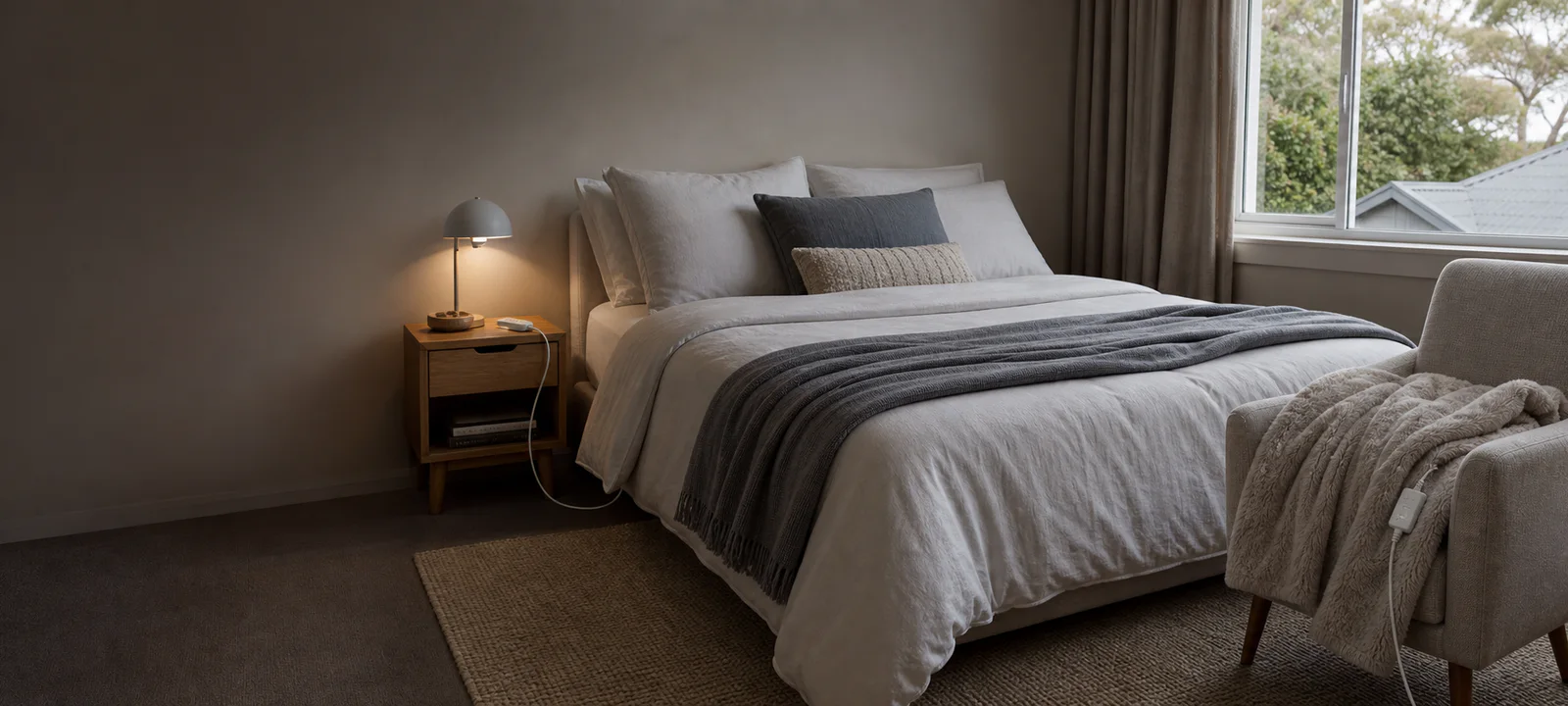
Understand the difference between warming the bed, warming one person and heating an entire room.
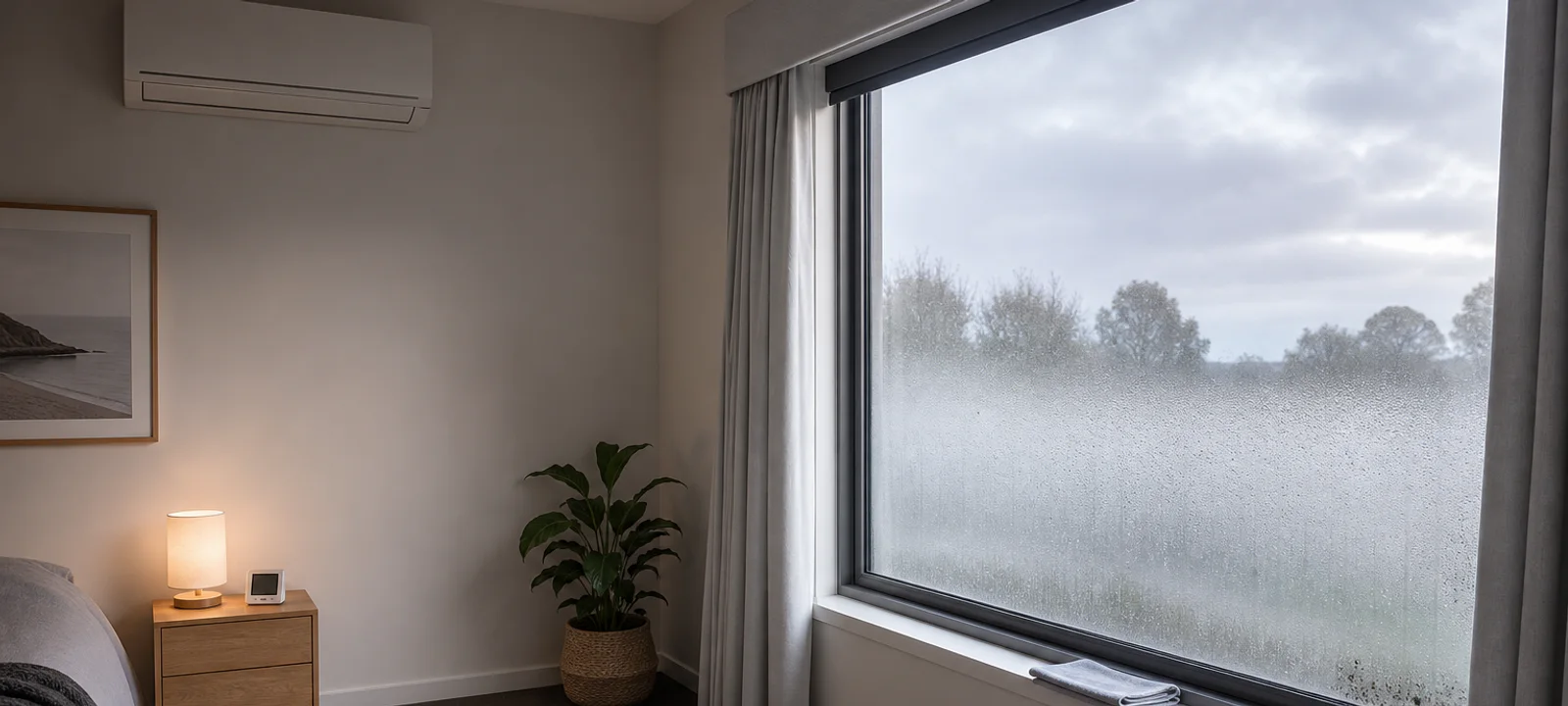
Identify moisture sources, cold surfaces, ventilation problems and leaks before recurring winter condensation develops into a larger mould problem.
Planning Ahead
Some home purchases can be made and used immediately. Others depend on measurements, site inspections, electrical capacity, installation access, trade availability or council and building requirements.
Reverse-cycle air conditioners are a clear example. They can provide heating in winter and cooling in summer, but installation demand often rises when temperatures become uncomfortable. Availability can be particularly constrained during peak summer periods, and many trades and installation businesses operate with reduced capacity over Christmas and New Year.
Planning before the first heatwave or cold snap does not guarantee a particular installation date or price, but it generally provides more time to:
The same principle applies to insulation, shade structures, outdoor entertaining projects, gutter work and other improvements that may require trades or preparation.
Regional Context
Treat these collections as practical prompts rather than a fixed national calendar. A guide may be highly relevant in one region and less urgent in another.
Consider:
Where climate materially changes the advice, individual guides should include regional considerations rather than presenting one recommendation as suitable for every Australian household.
Conclusion
Seasonal planning does not require rebuilding the home or buying something new every few months. Often, the most useful first step is identifying what becomes uncomfortable, difficult or overdue as conditions change.
Use these collections to understand the options, plan work before it becomes urgent and make decisions that suit your home, region and budget.