
Spring is a useful time to check parts of the home that may have been ignored during winter and prepare for warmer weather ahead.
This is not a deep-cleaning list. The aim is to notice small maintenance problems before they become expensive ones, improve summer comfort and prepare for greater use of cooling, windows and outdoor areas.
You do not need to complete everything in one weekend. Start with the jobs most relevant to your property and climate.
If you want a smaller starting point, choose one contained job from the 20-Minute Spring Reset before planning a full property round.
Spring conditions differ across Australia. In cooler regions this check may follow a damp winter; in tropical and subtropical areas, use the transition that best suits local wet, dry, storm and cooling seasons rather than following the calendar rigidly.
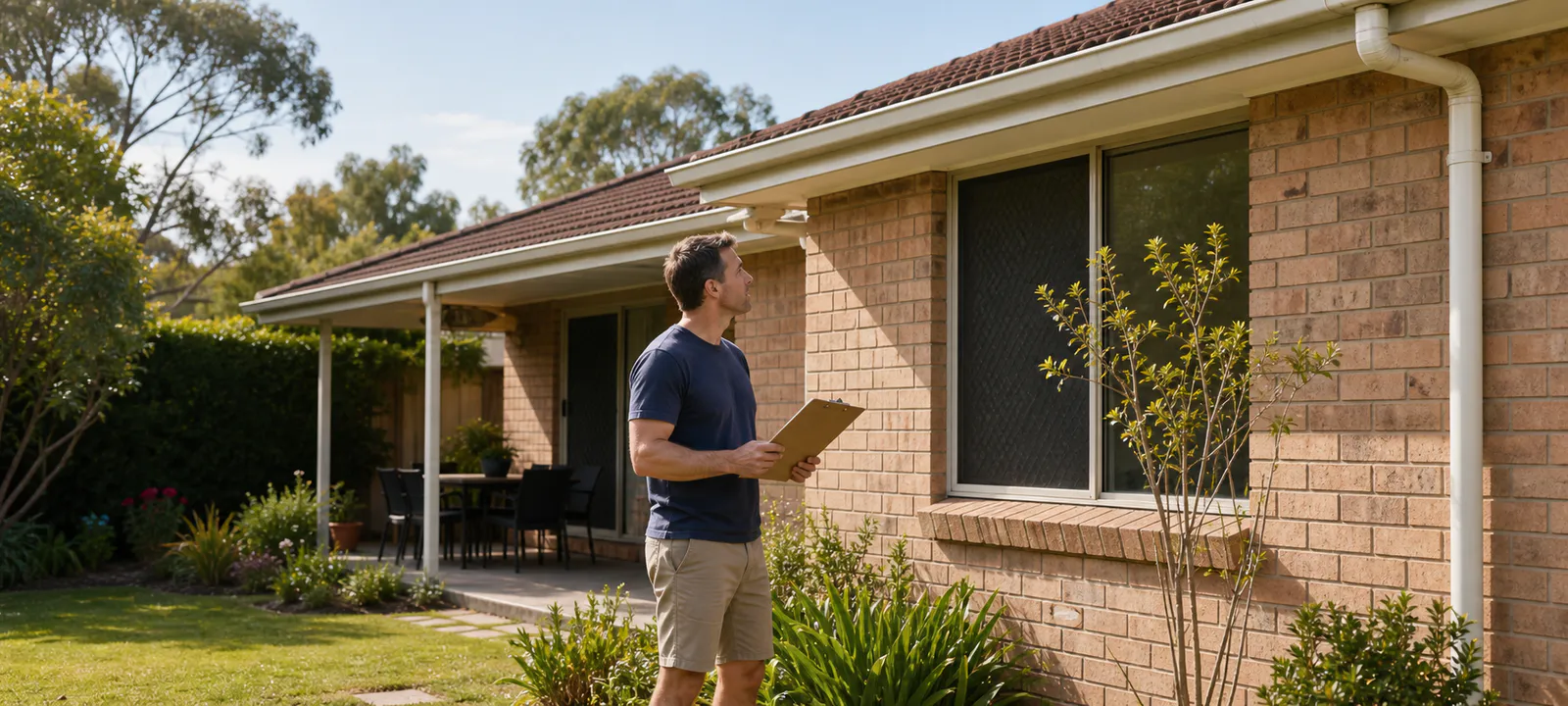
Start with a walk around the outside
Before fixing anything, take a slow walk around the house and look for changes since your last check:
- loose or damaged exterior materials
- staining that may indicate a water problem
- overflowing or damaged gutters and blocked ground-level drains
- cracked seals around windows or doors
- torn flyscreens
- vegetation contacting the house
- outdoor items that deteriorated over winter.
The purpose is not to diagnose every building problem yourself. Record anything that deserves closer attention and separate safe owner checks from work requiring access, tools or specialist knowledge.
A photo and a short note can make a suspected change easier to compare after the next rain or discuss accurately with a suitable tradesperson.
Check gutters, downpipes and drainage
Spring storms can expose roof-drainage problems quickly. From a safe position, look for obvious leaf litter, sagging gutters or downpipes that appear blocked, loose or damaged. Clear accessible ground-level drains and stormwater grates where material may prevent water flowing freely.
If checking or clearing a problem would require unsafe ladder work or roof access, use an appropriate professional. The Gutter Maintenance Guide explains the safe inspection boundary in more detail.
If the home has a rainwater tank, check accessible inlet screens and other owner-maintenance areas according to the system instructions.
Check windows, doors and flyscreens
Warmer weather usually means more open windows and doors. Check that windows operate normally, external doors latch, flyscreens remain attached to sound frames, sliding tracks are unobstructed, and security screens and doors work as intended.
Also inspect obvious seals around doors and windows. Damaged seals can admit hot outdoor air when the home is being cooled. The guide to reducing uncontrolled draughts explains how to address avoidable gaps without blocking intentional ventilation. For a targeted warm-weather check, see how to trace fly and mosquito entry points before buying another control product.
Prepare the house for summer heat
Think back to the rooms that became excessively hot last summer. Pay particular attention to east- and west-facing glass, damaged awnings or blinds, rooms below an exposed roof and spaces with poor airflow.
External shading, insulation, controlled ventilation and air movement can reduce the heat that cooling equipment must remove. Use the guides to keeping the house cooler in summer and home insulation for the detailed planning rather than treating this checklist as an upgrade specification.
Test air conditioning and fans
Run the air conditioner before the first hot day. Check that it starts normally, produces appropriate airflow and does not show obvious leaking, unusual smells, noise or weak cooling. Clean accessible filters according to the manufacturer's instructions and remove leaves, stored items or garden growth that obstruct required airflow around an outdoor unit.
Do not dismantle refrigeration or electrical components. The pre-summer air-conditioner maintenance guide covers owner checks and the warning signs that need a technician.
With the power off, safely clean accessible fan blades and check that ceiling fans run without unusual movement or noise. Inspect portable-fan cords and plugs for visible damage and follow the manufacturer's cleaning instructions. For replacement planning, see what to check before buying a ceiling fan.
Look for moisture and ventilation problems
Check bathrooms, laundries, wardrobes against external walls, window surrounds and other places that stayed damp during winter. Make sure bathroom and kitchen exhaust systems are used appropriately and accessible ventilation openings have not been unintentionally blocked.
Persistent moisture, leaks or recurring mould should be investigated rather than repeatedly covered or wiped away without addressing the source. Start with the existing guide to condensation and mould.
Test smoke alarms
Smoke alarms should be checked regularly throughout the year, not only in spring. If they have not been tested recently, follow the test and maintenance instructions for the alarms installed in the home and the requirements applying in your state or territory.
Do not remove or disable an alarm because of nuisance activations. Address an alarm that is damaged, expired or not operating correctly promptly, using appropriately qualified help where required.
Check outdoor living areas
Inspect outdoor furniture for damage or instability, check umbrellas and shade structures, and look over decks, steps and handrails for obvious deterioration. Check outdoor lighting and power-point covers only for visible damage; do not attempt electrical repairs.
For a whole-area seasonal pass covering access, shade, furniture, storage, barbecue safety and weather readiness, use the outdoor-area summer checklist.
For a plant, soil, mulch and irrigation assessment rather than a building check, use the Spring Garden Reset Checklist.
Loose balustrades, damaged structural elements and unsafe steps need proper assessment rather than a temporary cosmetic fix.
Do a quick indoor maintenance round
A useful indoor round can include checking for dripping taps, looking under sinks for moisture, checking simple door or cabinet hardware, replacing failed light bulbs, and inspecting appliance hoses that are intended to be visible and owner-checkable.
Look over accessible seals around wet areas and note damaged surfaces rather than applying a cosmetic cover that may conceal an ongoing leak.
Keep detailed cleaning work in the separate Spring Cleaning Checklist. This maintenance pass is for noticing, recording and addressing the condition of the home.
Download the Australian Spring Home Maintenance Checklist
The printable checklist condenses these jobs into practical tick boxes. Print it, mark off only the tasks that apply to your property and keep a short repair list for anything needing professional attention.
Know when to call someone
Routine inspection and basic owner maintenance are not substitutes for licensed or specialist work. Arrange help where appropriate for electrical or refrigerant faults, unsafe roof or gutter access, structural damage, significant leaks, persistent damp with an unclear source, or damaged stairs and balustrades.
A short spring check is worthwhile when it finds a warning sign before the first heatwave or summer storm.
Official guidance
- Australian Government spring guidance for exterior, gutter, window, door, flyscreen and rainwater-tank checks
- YourHome guidance on shading, insulation, ventilation and passive cooling
- Australian Government guidance on insulation and draught proofing
- Australian Government heating and cooling maintenance guidance
- Fire and Rescue NSW smoke-alarm maintenance guidance