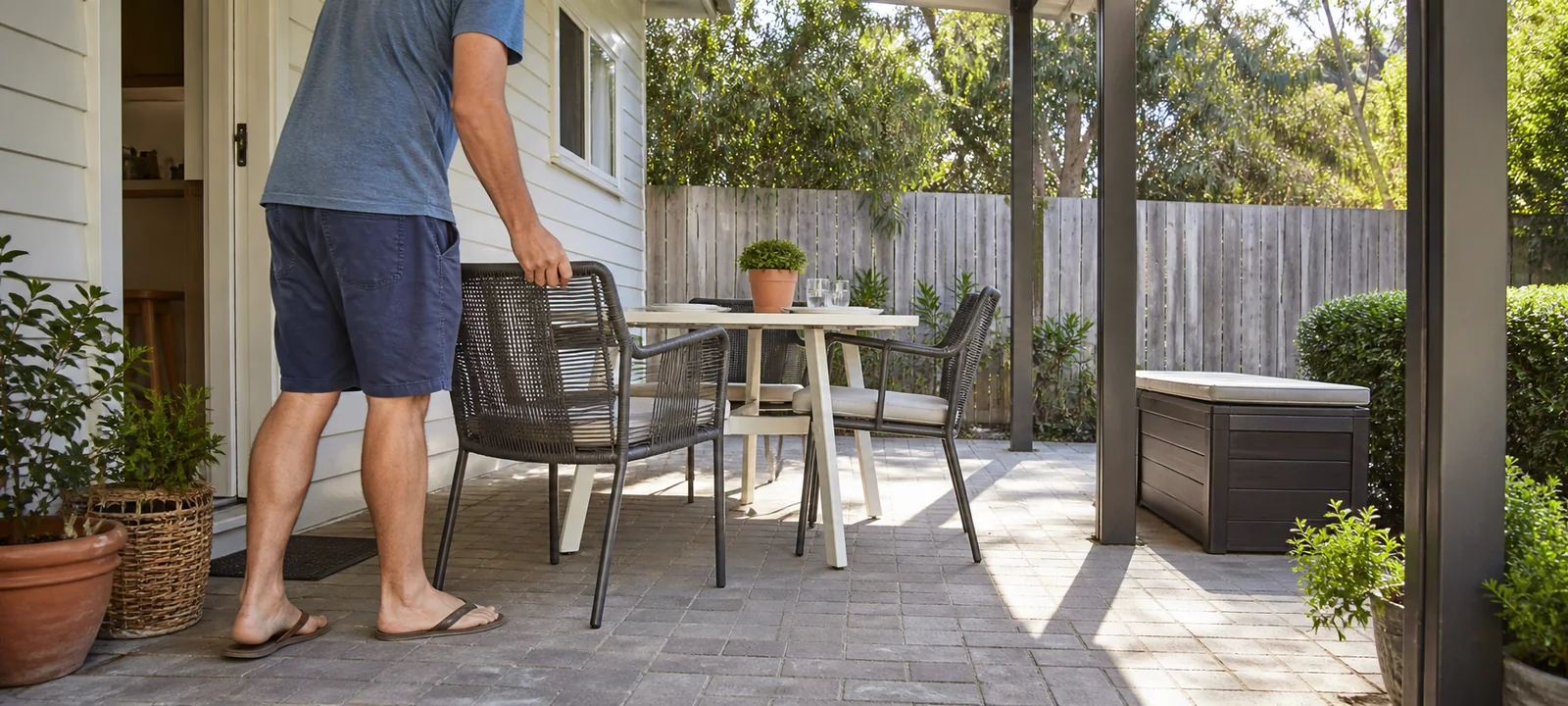
Outdoor Entertaining Area Checklist: Get Your Patio Ready for Summer
Reset one usable outdoor entertaining area in an hour, then check its cleaning, layout, shade, storage, lighting and pack-down routine before summer.

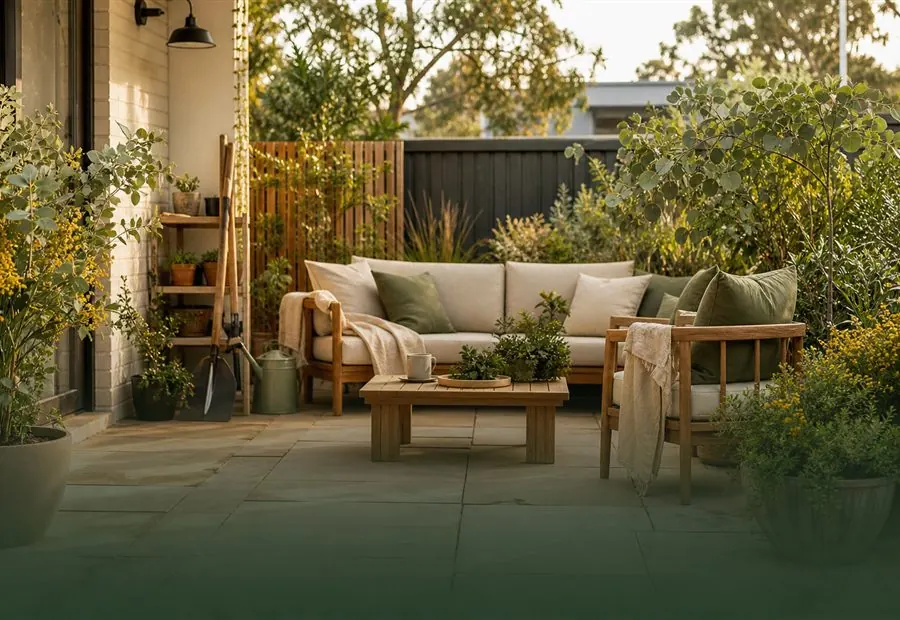
Category Guide
A table, barbecue, pots and shade can each work on their own and still make the whole outdoor area feel crowded. The paths between them matter too.
Start here
Choose the outdoor job you are planning, whether it involves shade, seating, dining, plants, tool care, the barbecue or somewhere to put things away.
Reset one usable outdoor entertaining area in an hour, then check its cleaning, layout, shade, storage, lighting and pack-down routine before summer.
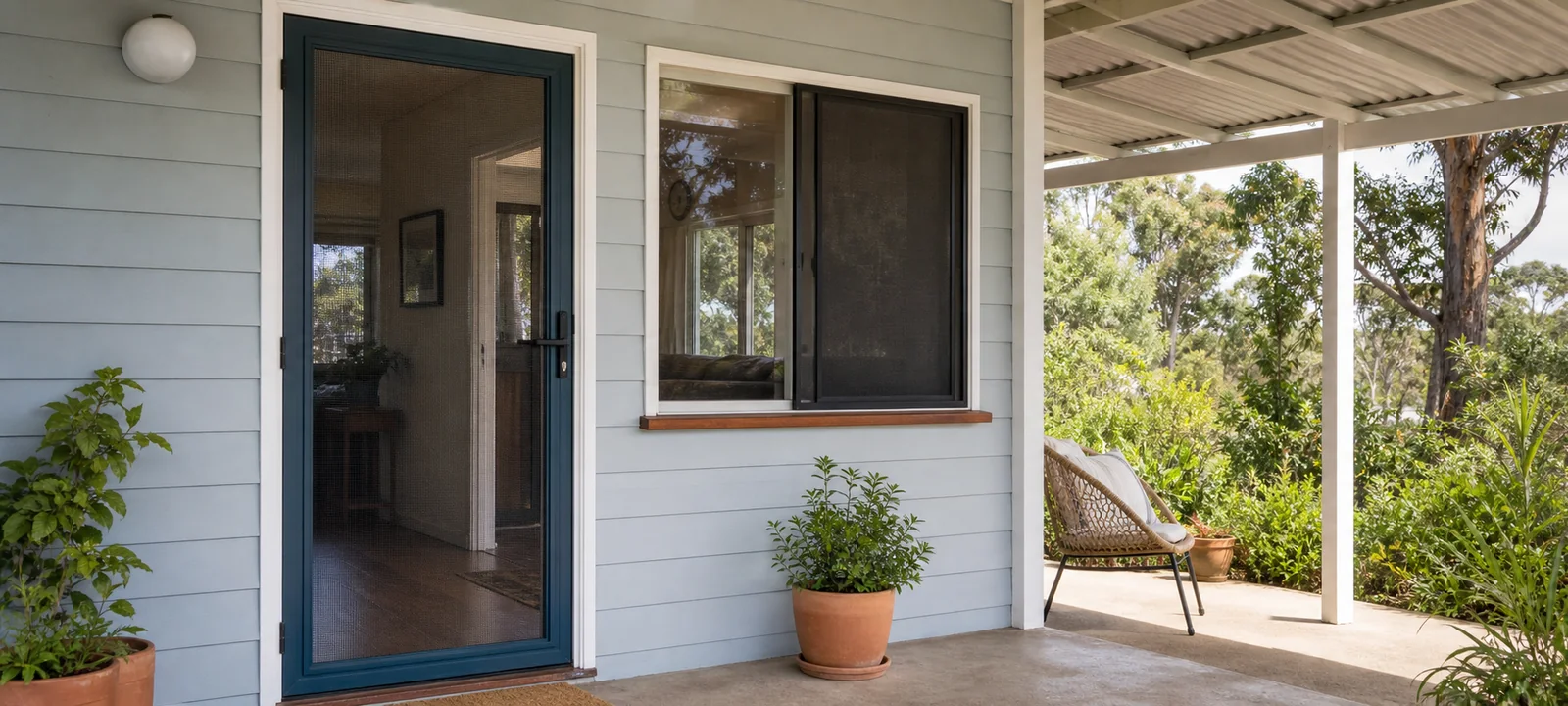
Trace insect entry points, repair screens and seals, remove attractants and standing water, and understand product limitations.
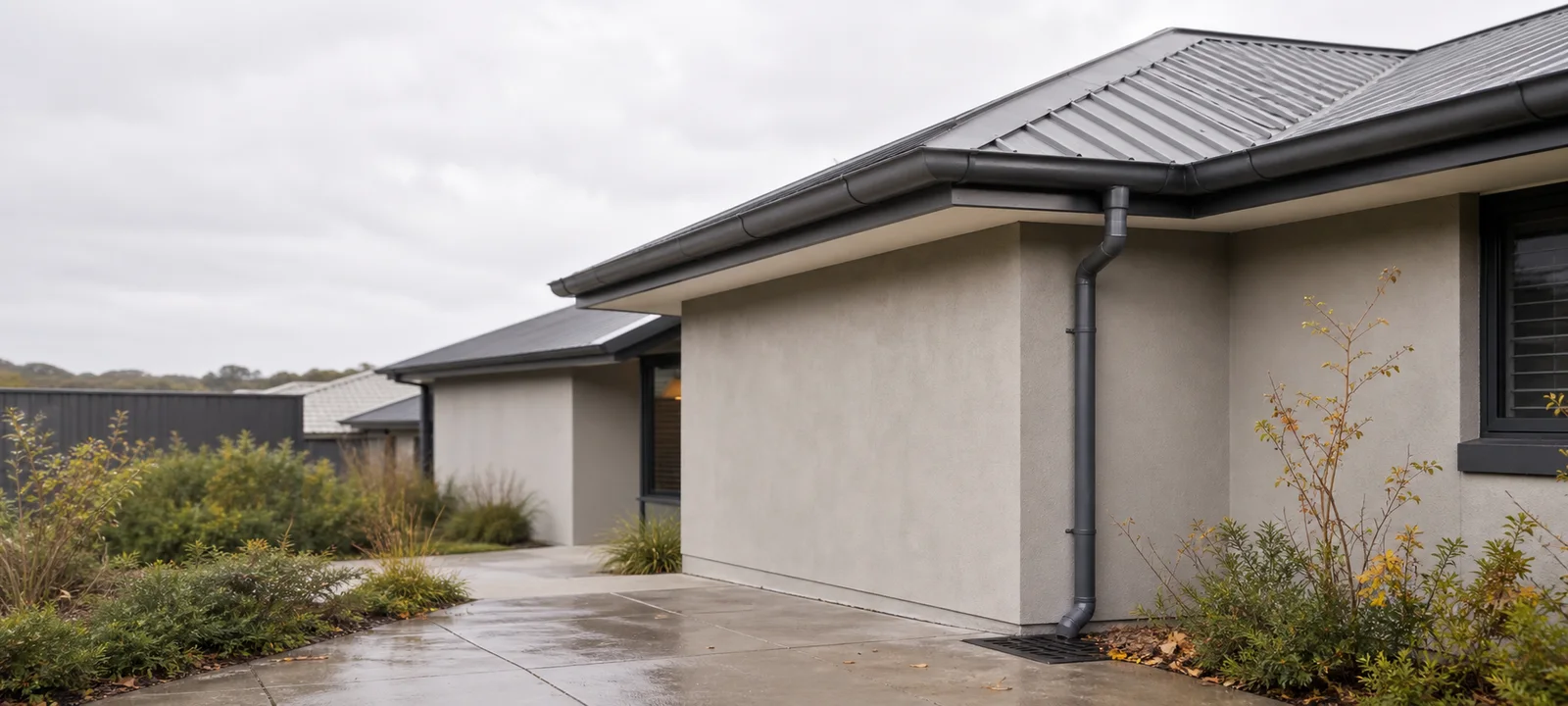
Check gutters, downpipes, drainage, guards, rainwater tanks and access risks before arranging maintenance.
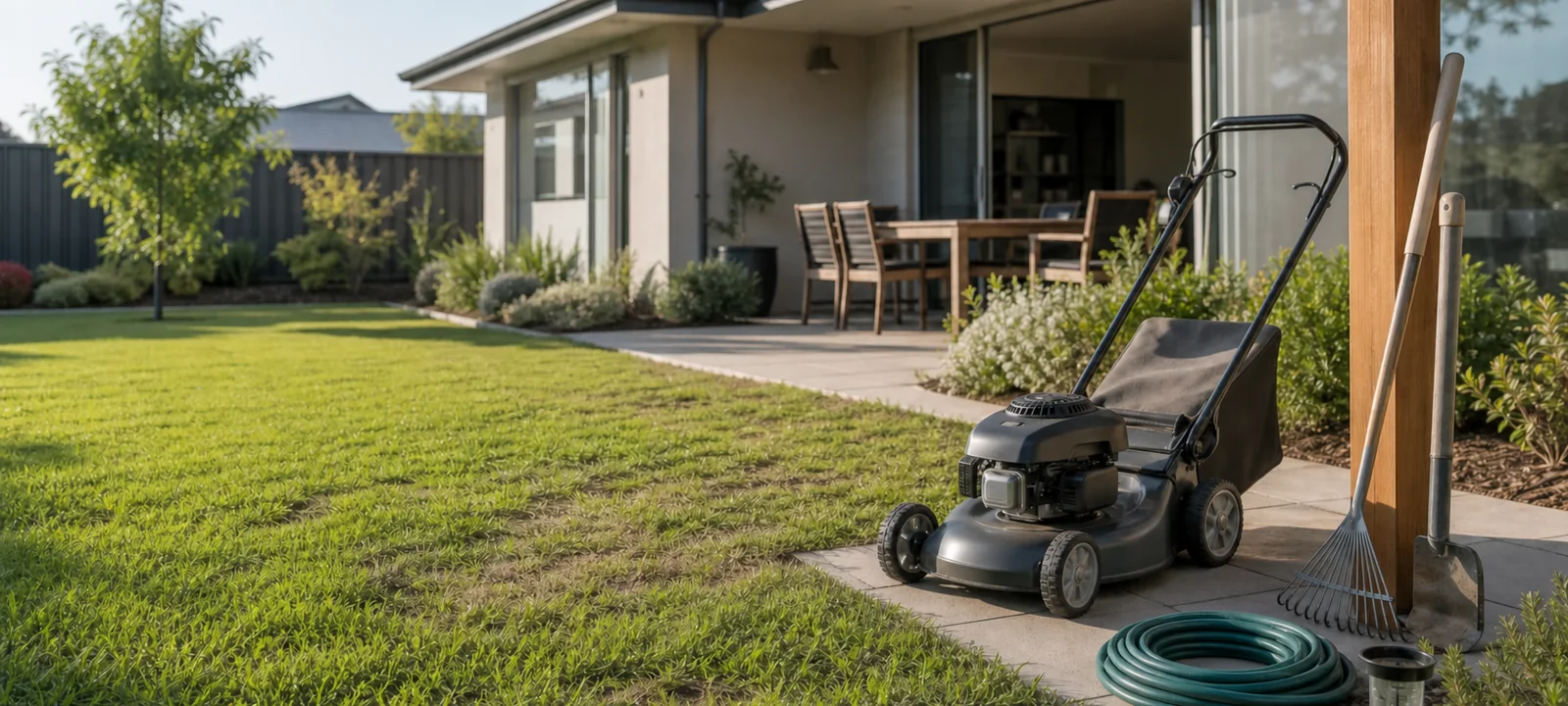
Understand grass, soil, sunlight, watering, mowing, fertilising and weed problems before buying more lawn-care products.
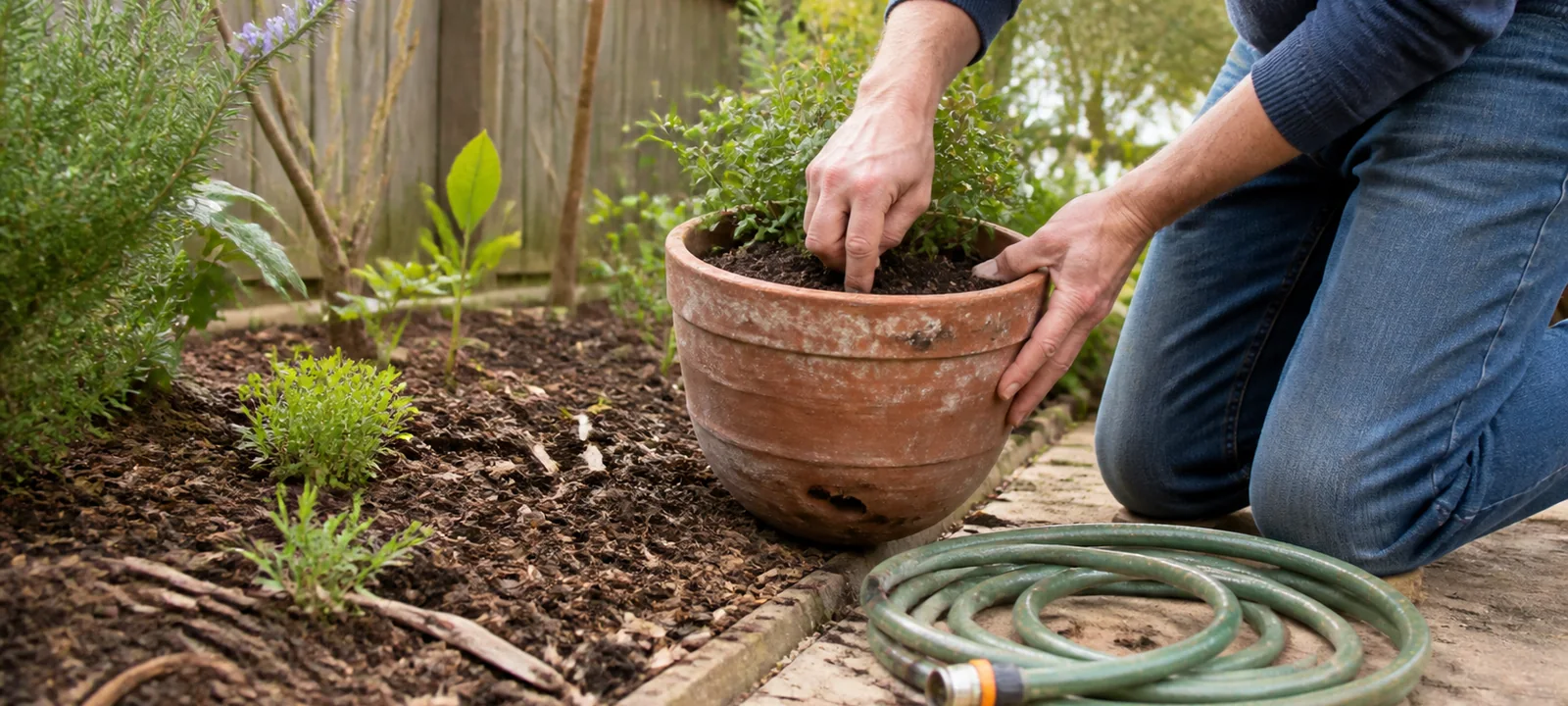
Inspect plants, soil, mulch, pots, irrigation, weeds and tools before setting practical pre-summer priorities.
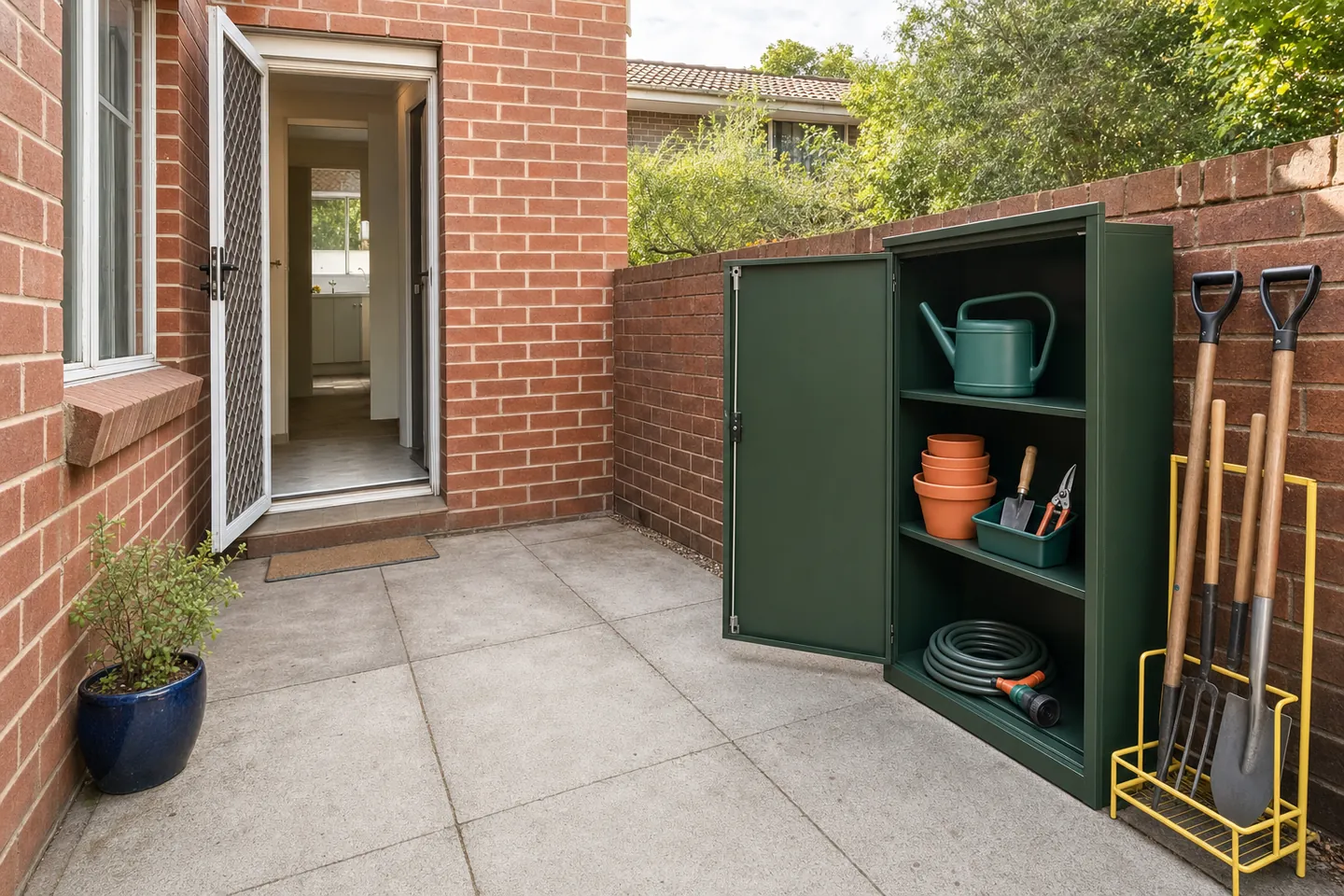
Ways to keep cushions, tools, barbecue gear and outdoor extras from taking over the patio.
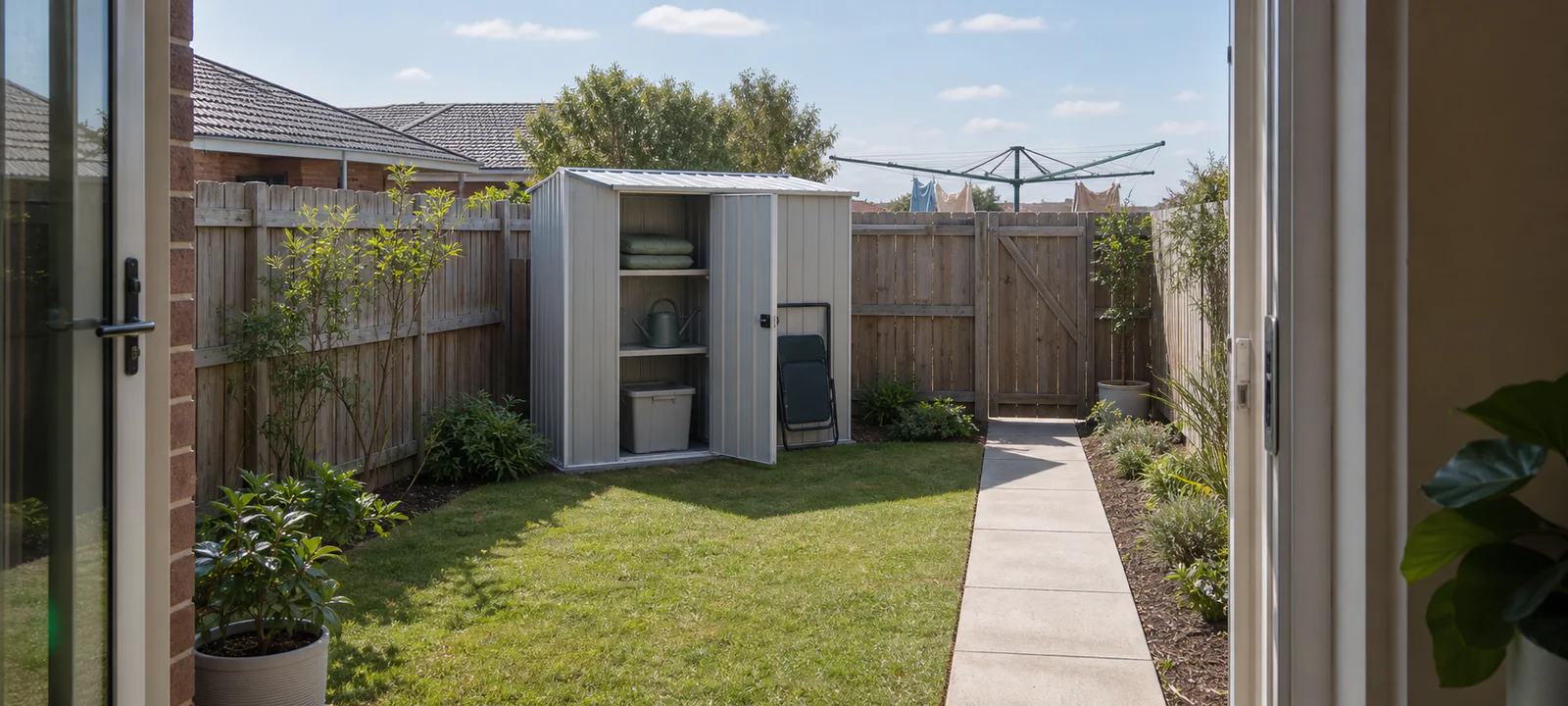
Plan small-yard storage around access, weather exposure, garden tools, cushions and kids' outdoor items.
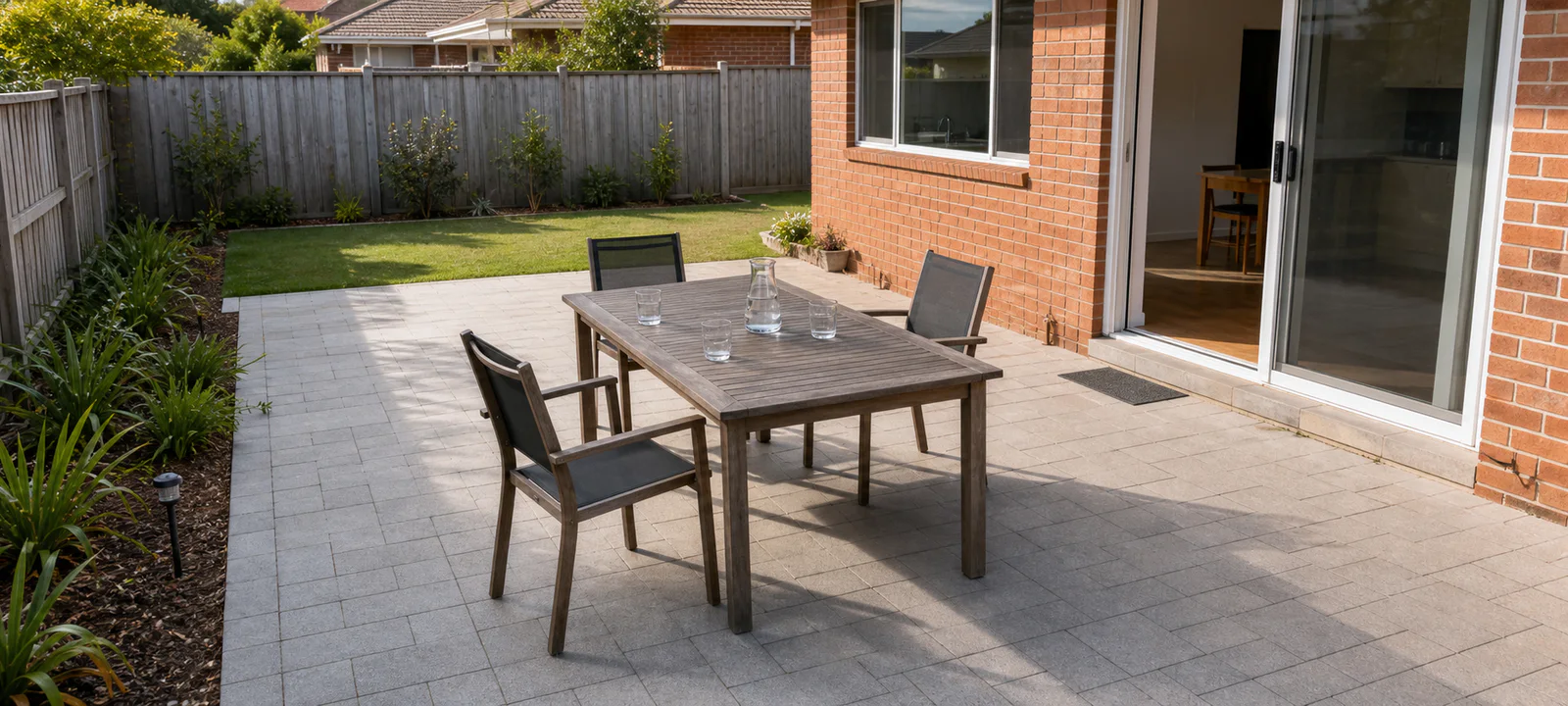
Check table size, chair movement, access paths, weather exposure and cushion storage before choosing furniture.
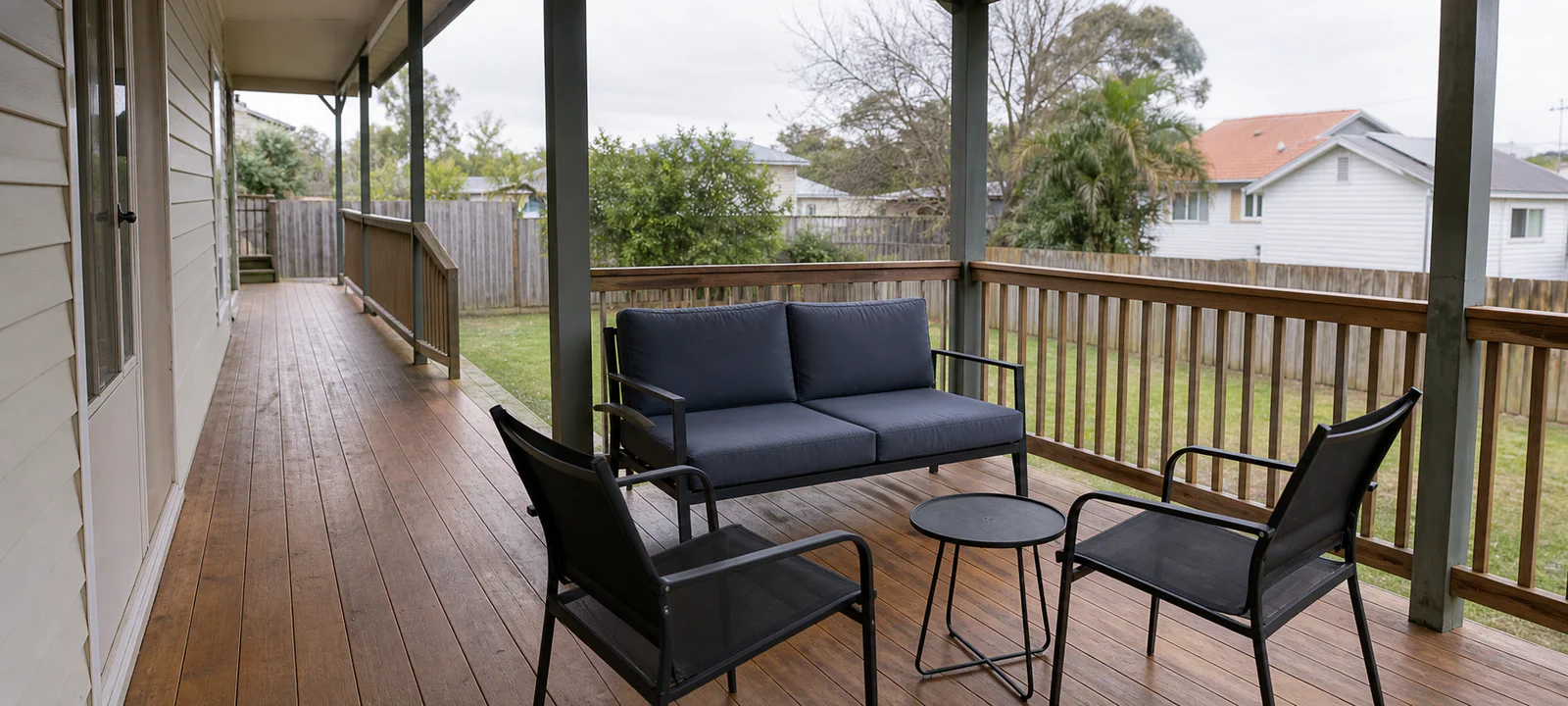
Check sofa depth, chair space, coffee tables, weather exposure and cushion storage before choosing seating.
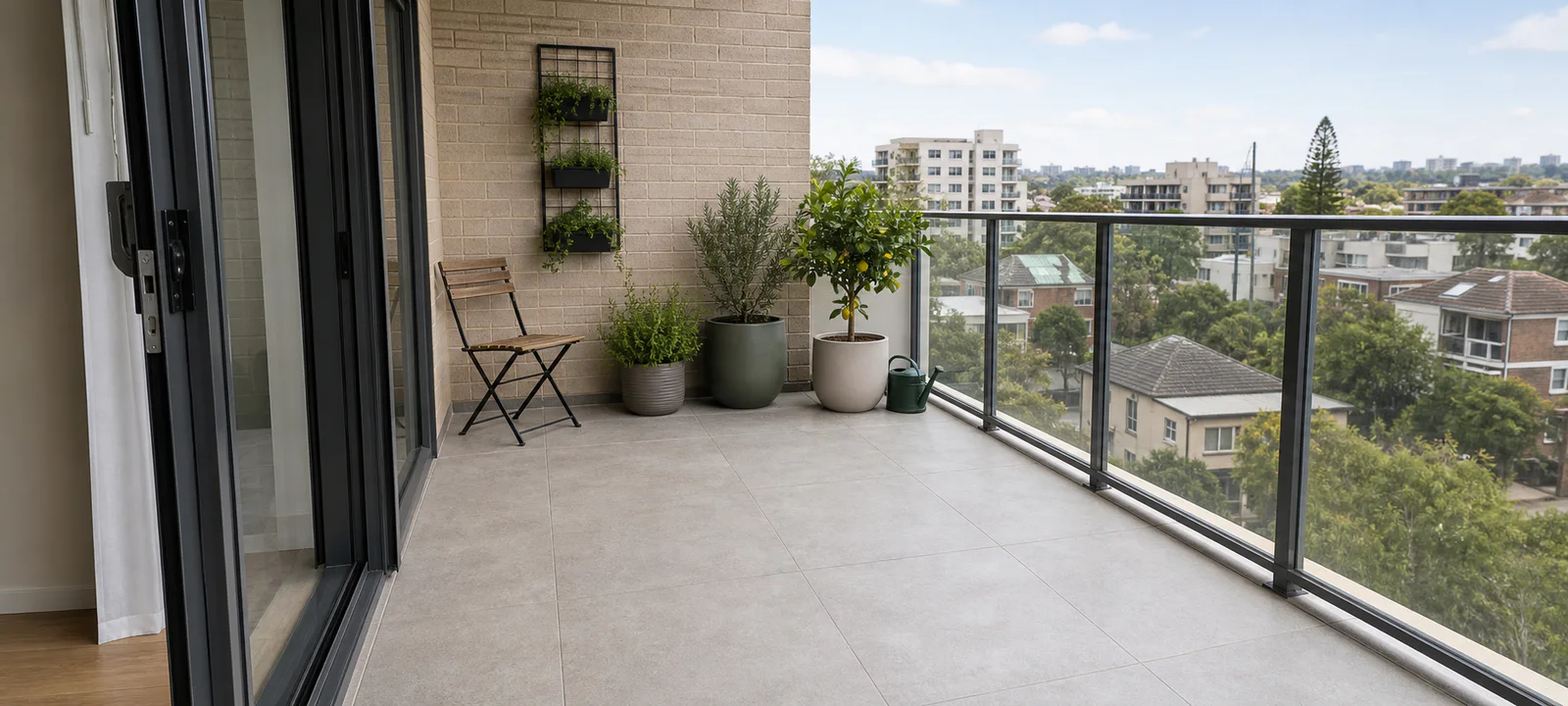
Plan pots, planters, light, watering and floor space for balconies, courtyards and small outdoor areas.
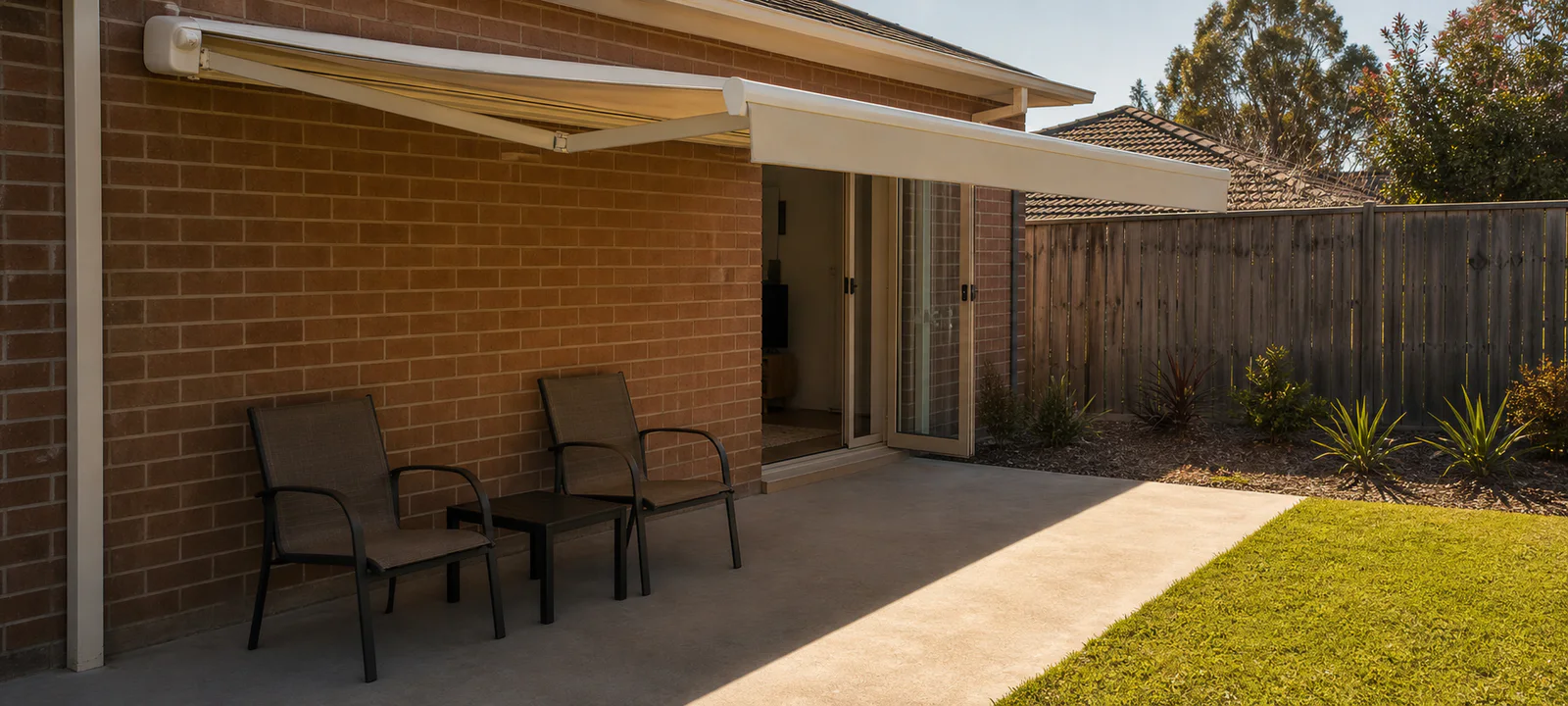
Compare sun position, umbrella size, gazebo storage, furniture layout and access paths before adding shade.
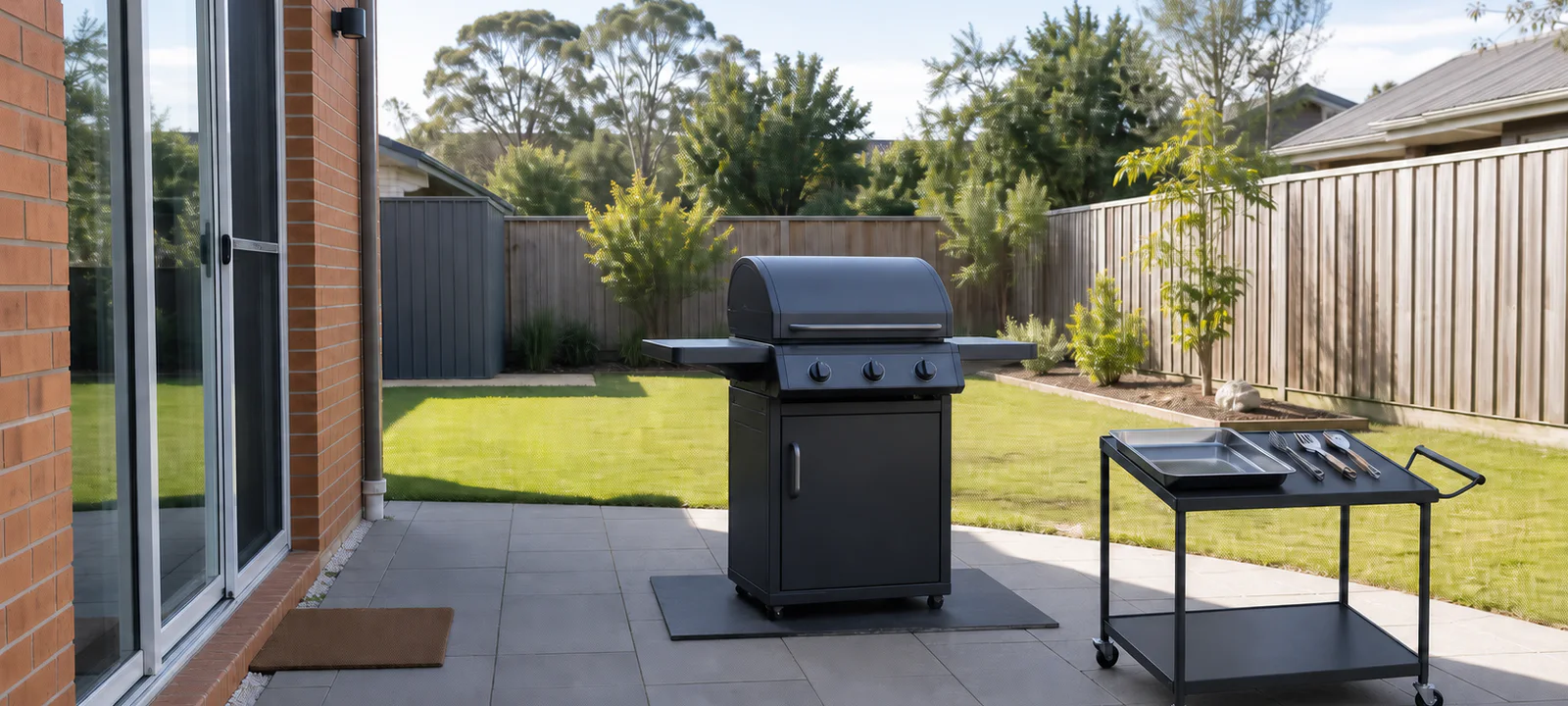
Plan barbecue footprint, lid movement, serving space, storage, shade and outdoor access before adding gear.
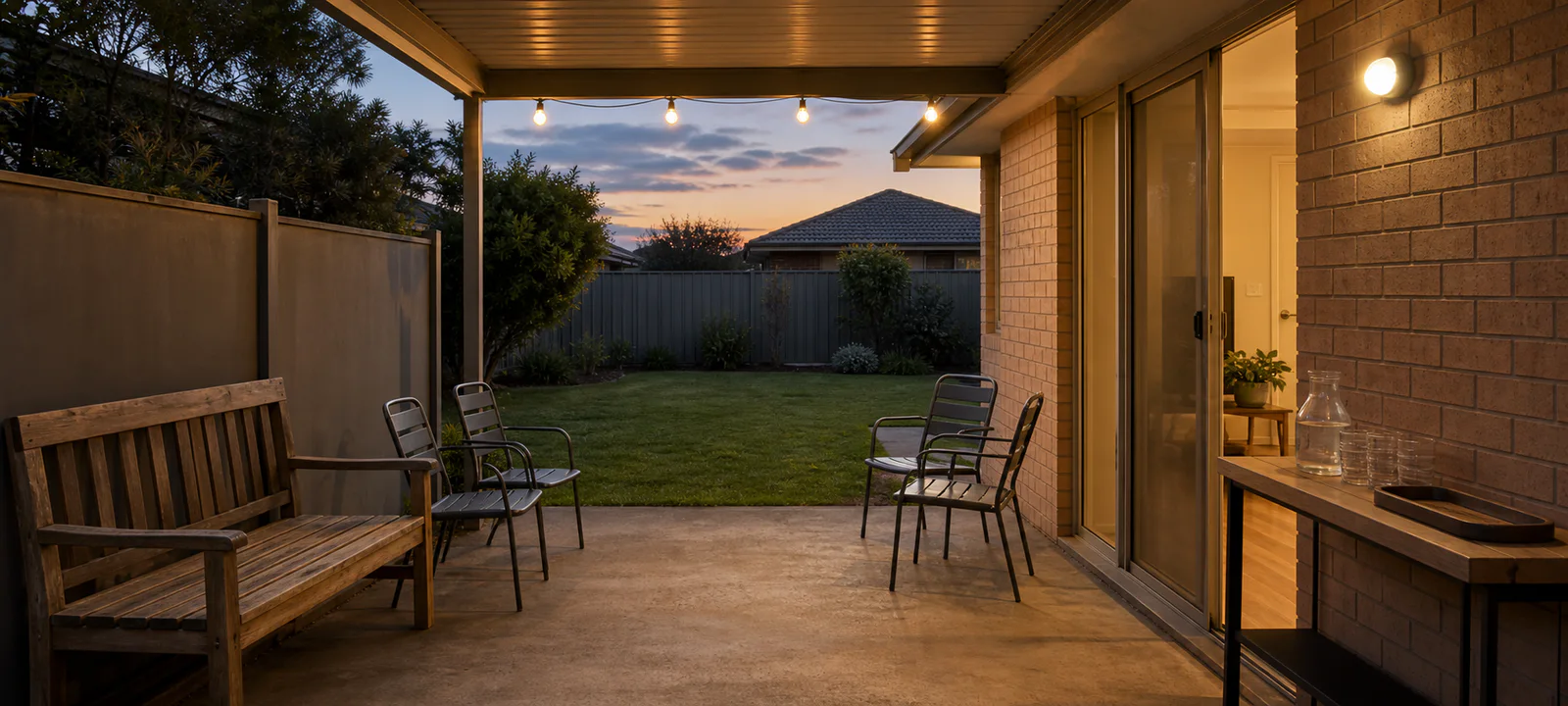
Plan seating, serving surfaces, shade, storage and reset space before adding entertaining extras.
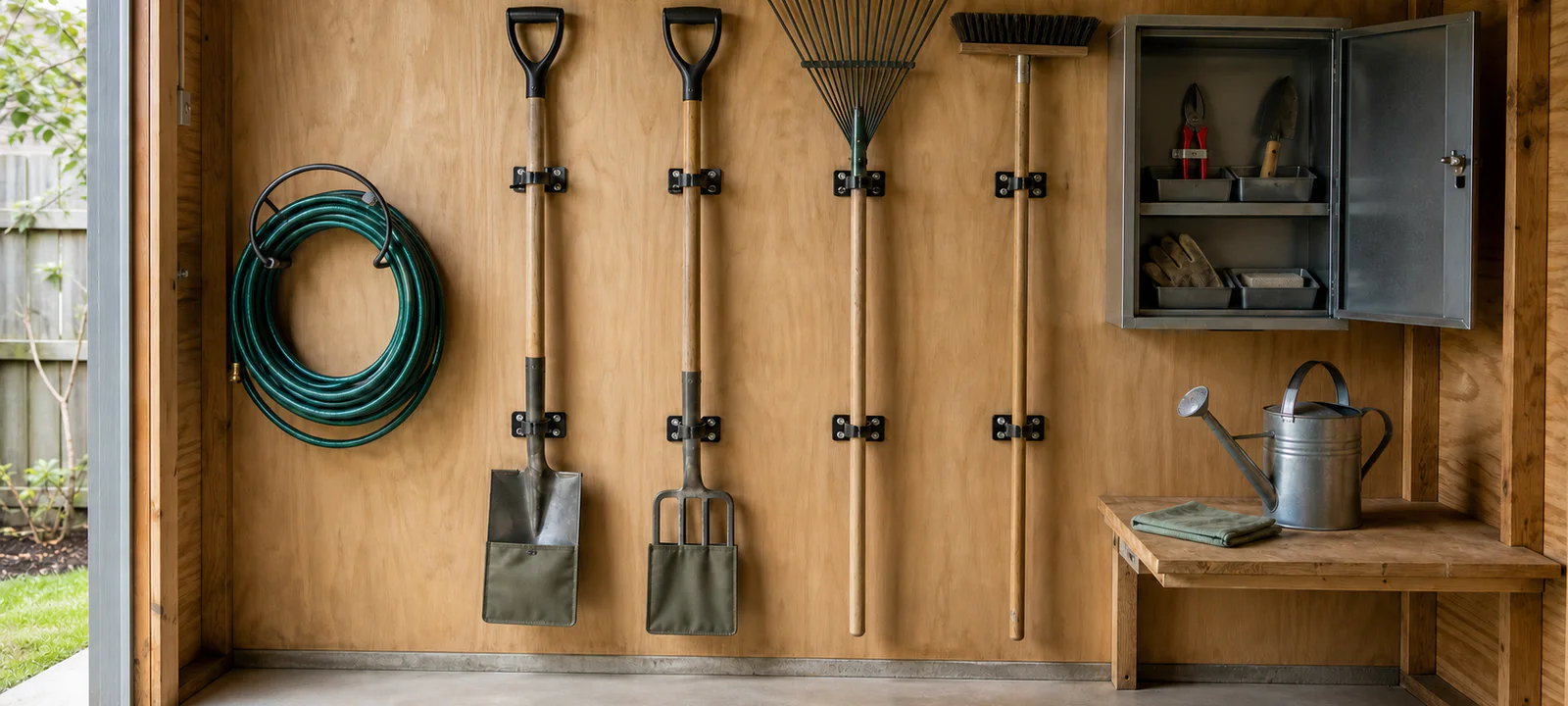
Clean, inspect and store everyday tools, then reset paths, pots and supplies for local conditions.
Category focus
Notice where the sun, rain and wind come from, what can be seen from inside and where everything goes after a meal, a gardening session or visitors.
Useful for cushions, toys and small tools when they suit the weather exposure.
Keep long-handled tools upright, visible and away from walkways.
Help control hoses and reduce trip hazards around paths and taps.
Choose storage that fits outdoor furniture, barbecue gear and cleaning needs.
Help reduce dirt entering the home when they drain and dry properly.
Compare coverage, wind suitability, fixing points and everyday setup effort.
Consider weight, drainage, sunlight and balcony or courtyard rules.
Plan odour, pests, ventilation and access before adding outdoor waste storage.
Plan first
Common mistakes
Related areas
Rooms rarely work in isolation. These nearby categories may help with another part of the same job.
Look for weather-resistant storage with drainage or ventilation, UV-aware materials and enough weight or fixing to handle windy conditions.
Use suitable covers, shaded positions, weather-aware storage and regular cleaning, and avoid leaving indoor-only items outside.
A simple set may include gloves, secateurs, a trowel, hose or watering can, broom and a safe place to store them.