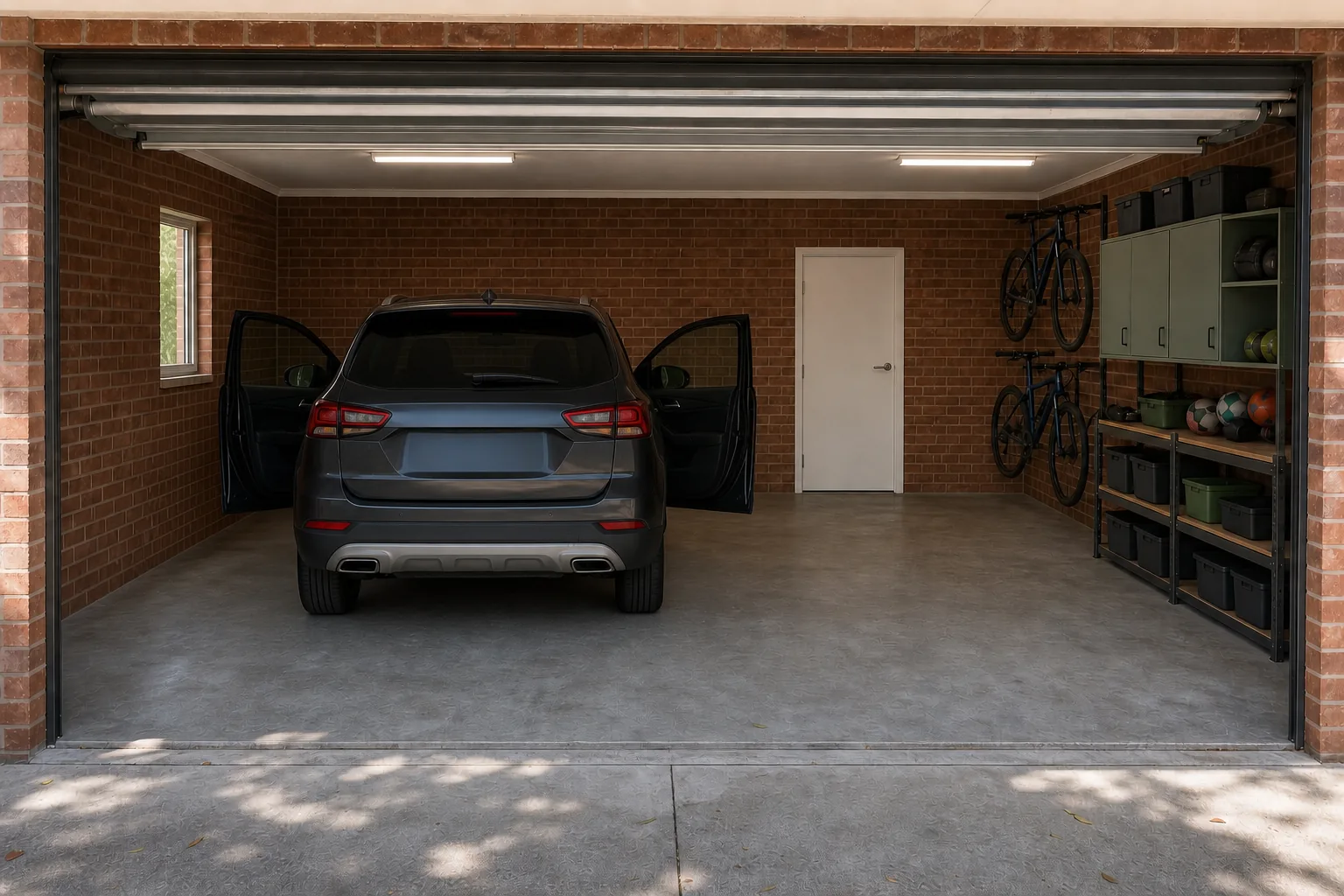
Garage Storage Planning Checklist
Map vehicle doors, walking routes, services and awkward gear before comparing shelves, tubs, cabinets or wall systems.

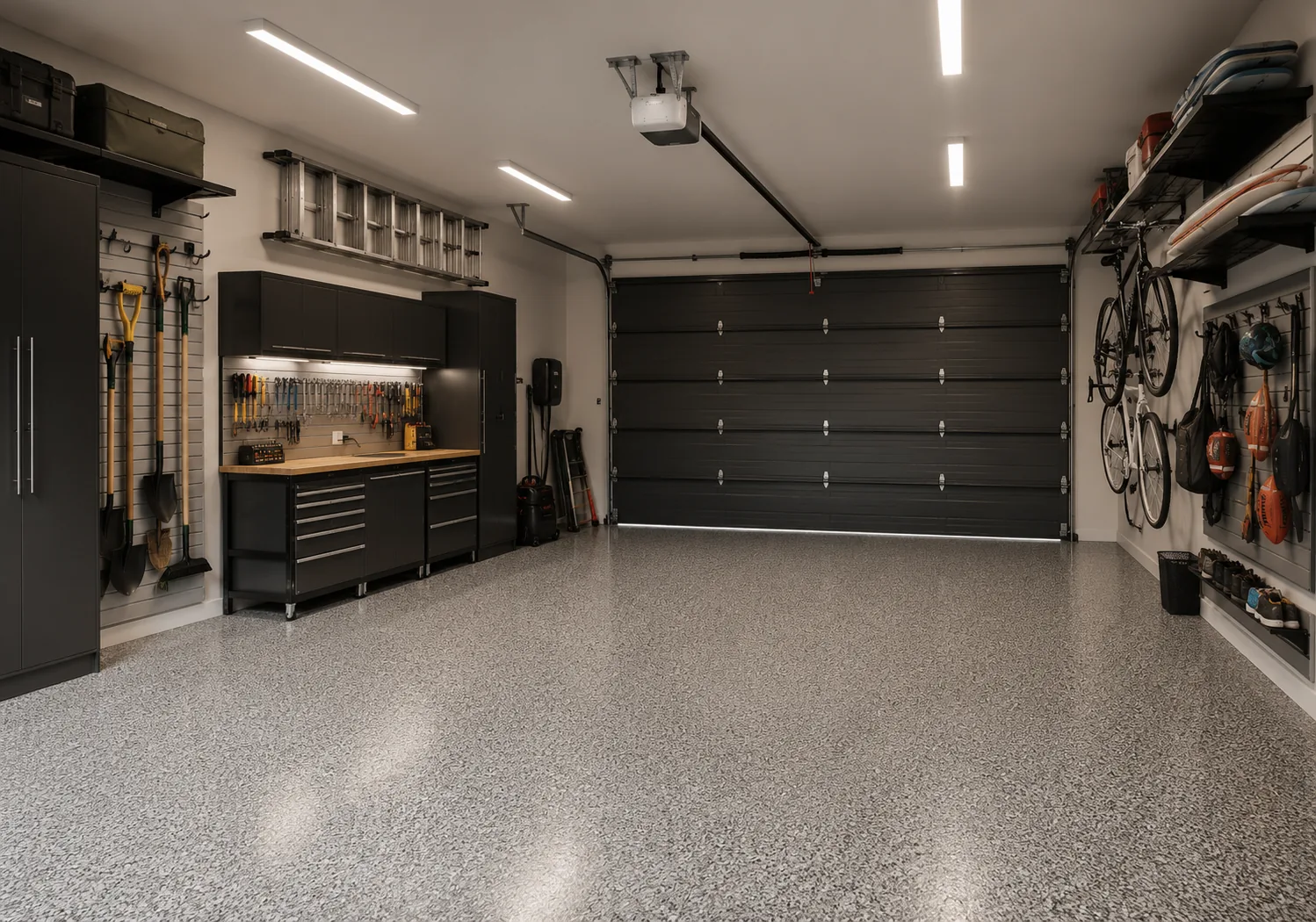
Category Guide
Compare garage storage ideas without sacrificing the car bay or the route indoors. Start with the gear, load and access problem, then choose shelving, tubs, cabinets or wall storage that fits the measured space.
Start here
Start with the guide that matches the decision in front of you. The planning guide covers the whole garage; the focused guides compare shelves, tubs, wall storage, tools and renter-friendly options.
Map vehicle doors, walking routes, services and awkward gear before comparing shelves, tubs, cabinets or wall systems.
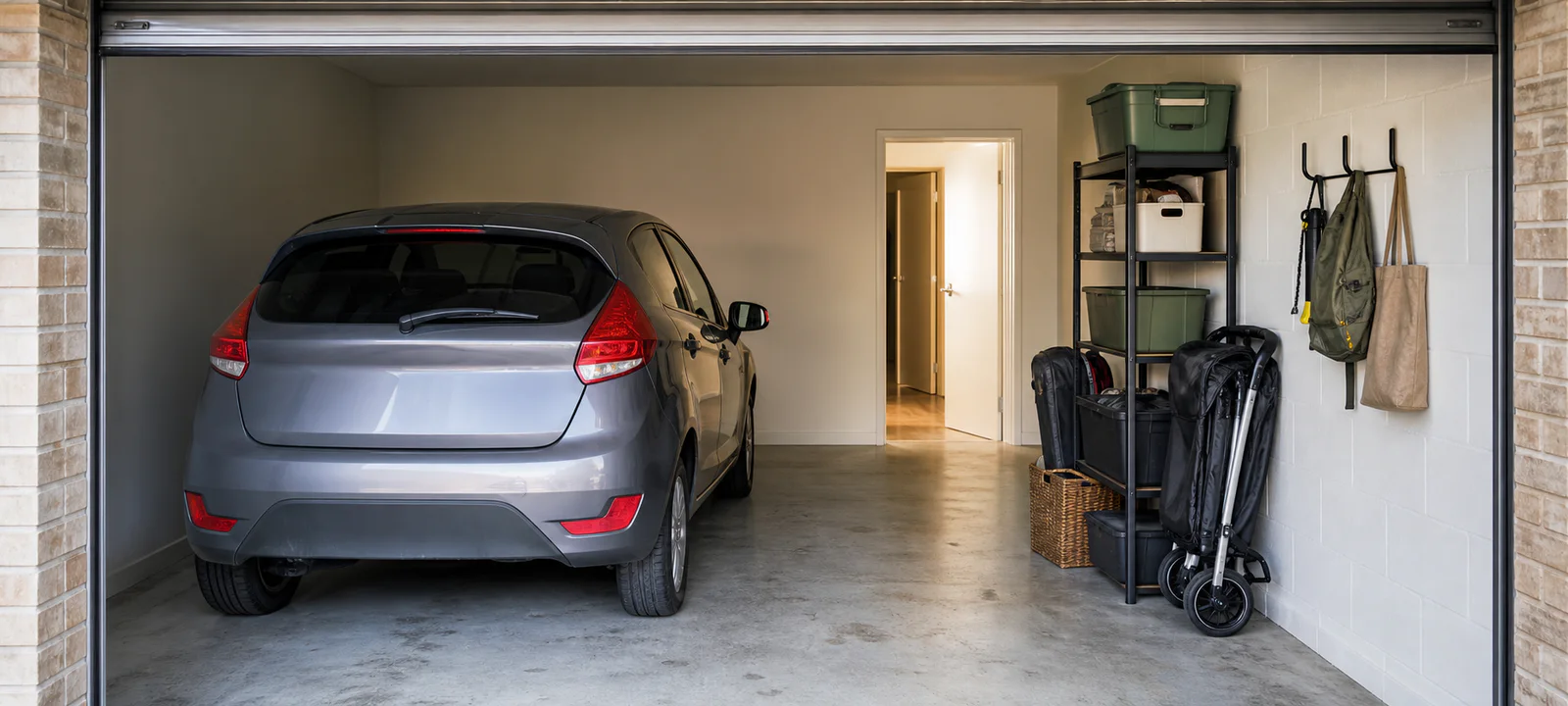
Use shelves, racks, tubs and wall systems without losing the walking and vehicle space you need.
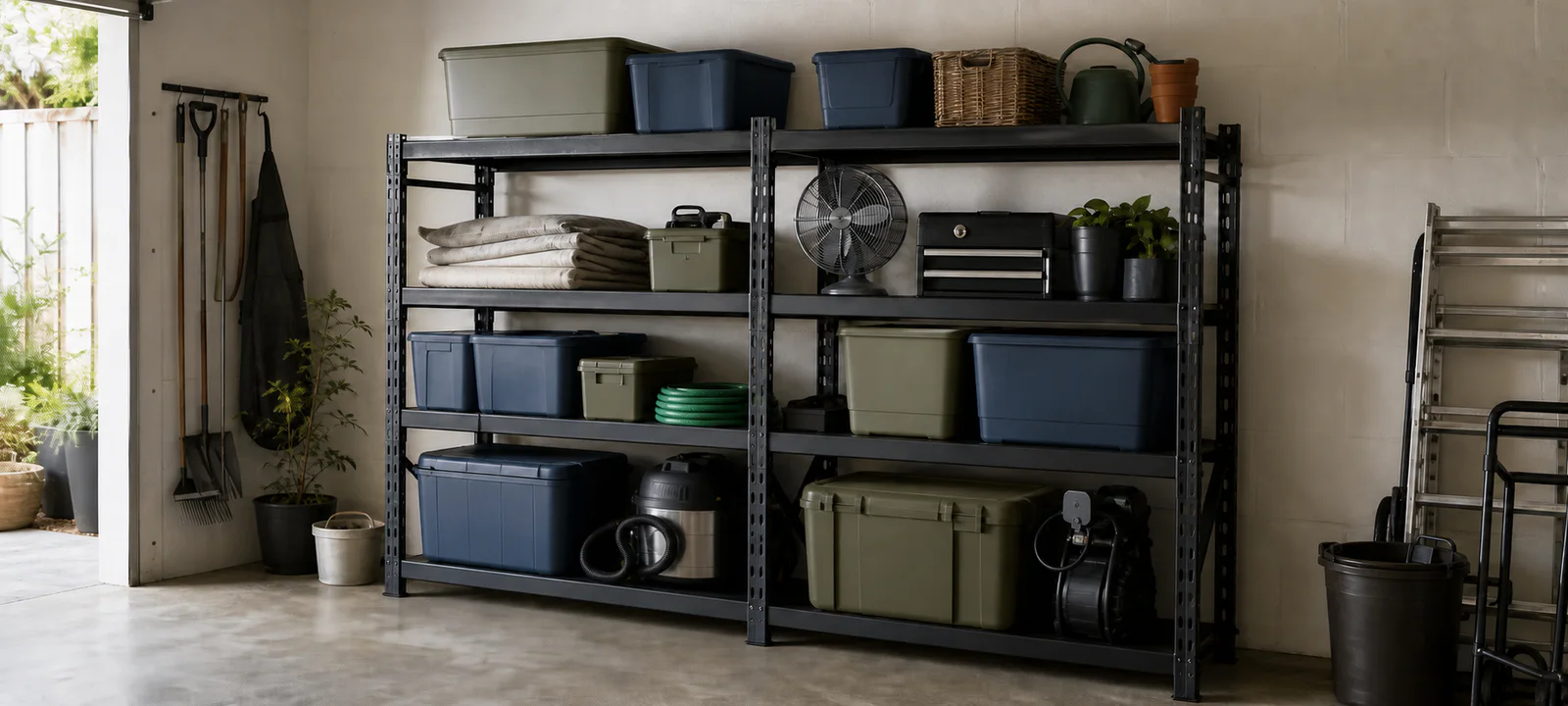
Match freestanding shelves, heavy-duty racks and storage units to the garage space and weight involved.
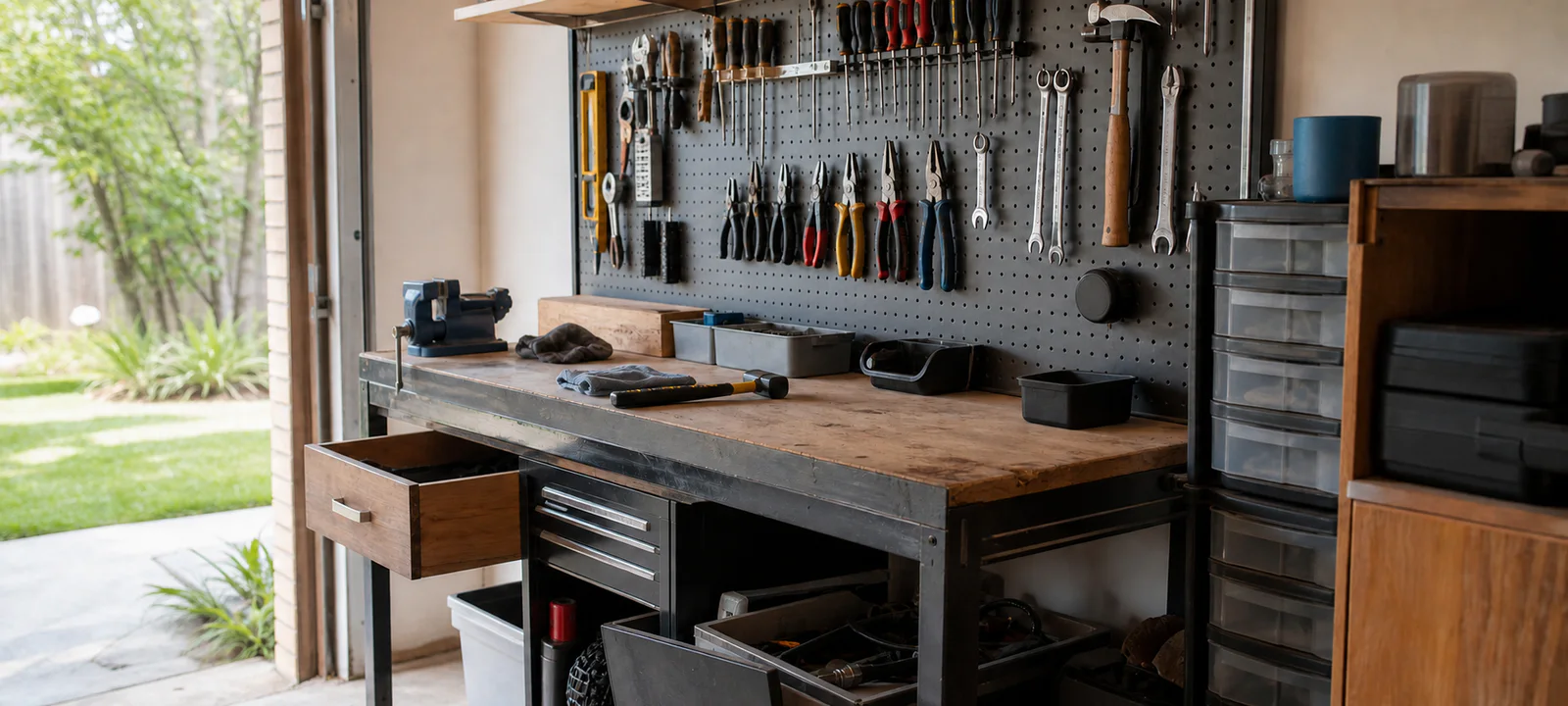
Sort hand tools, power tools and small parts before choosing cabinets, pegboards, hooks or drawers.
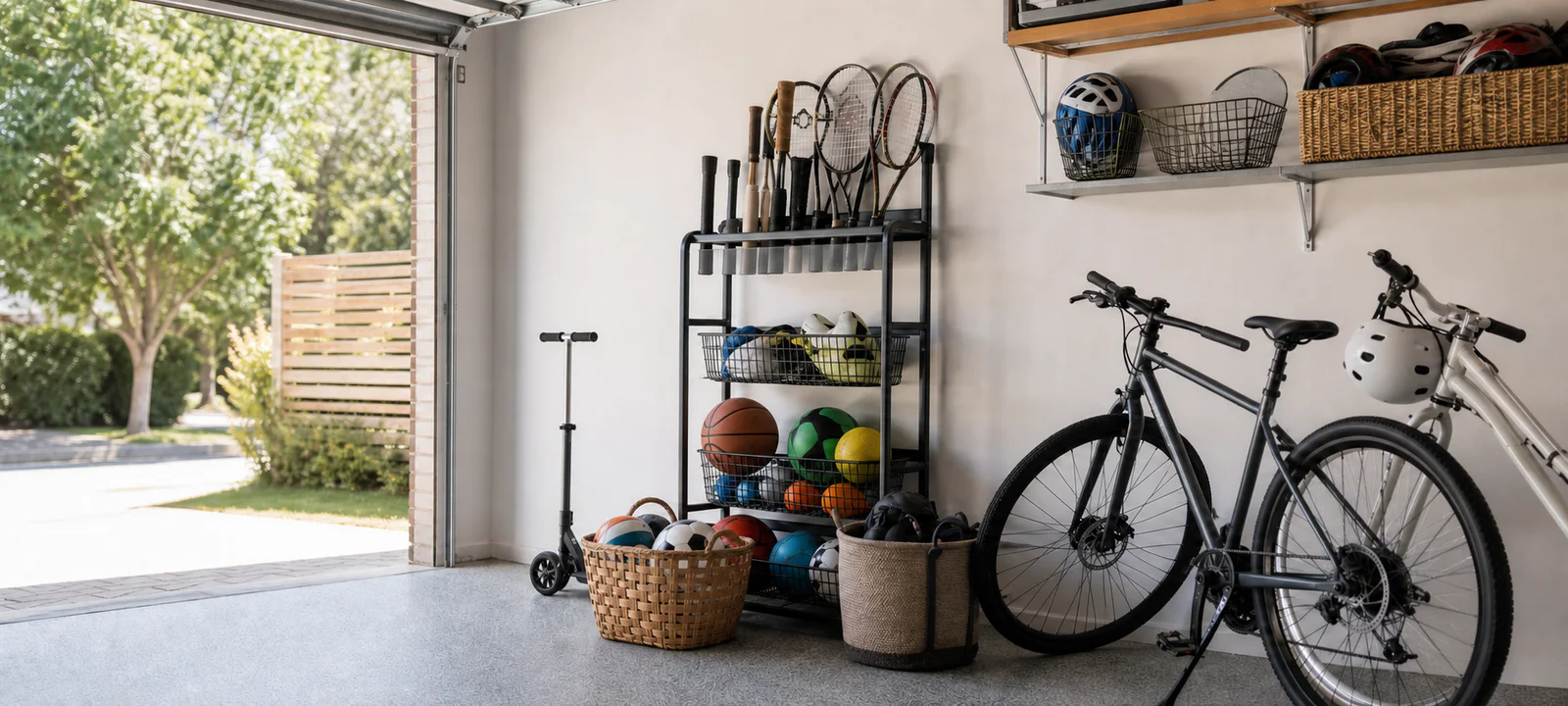
Group sports gear by routine so hooks, racks, bins and shelves are simple to use after practice or weekends.
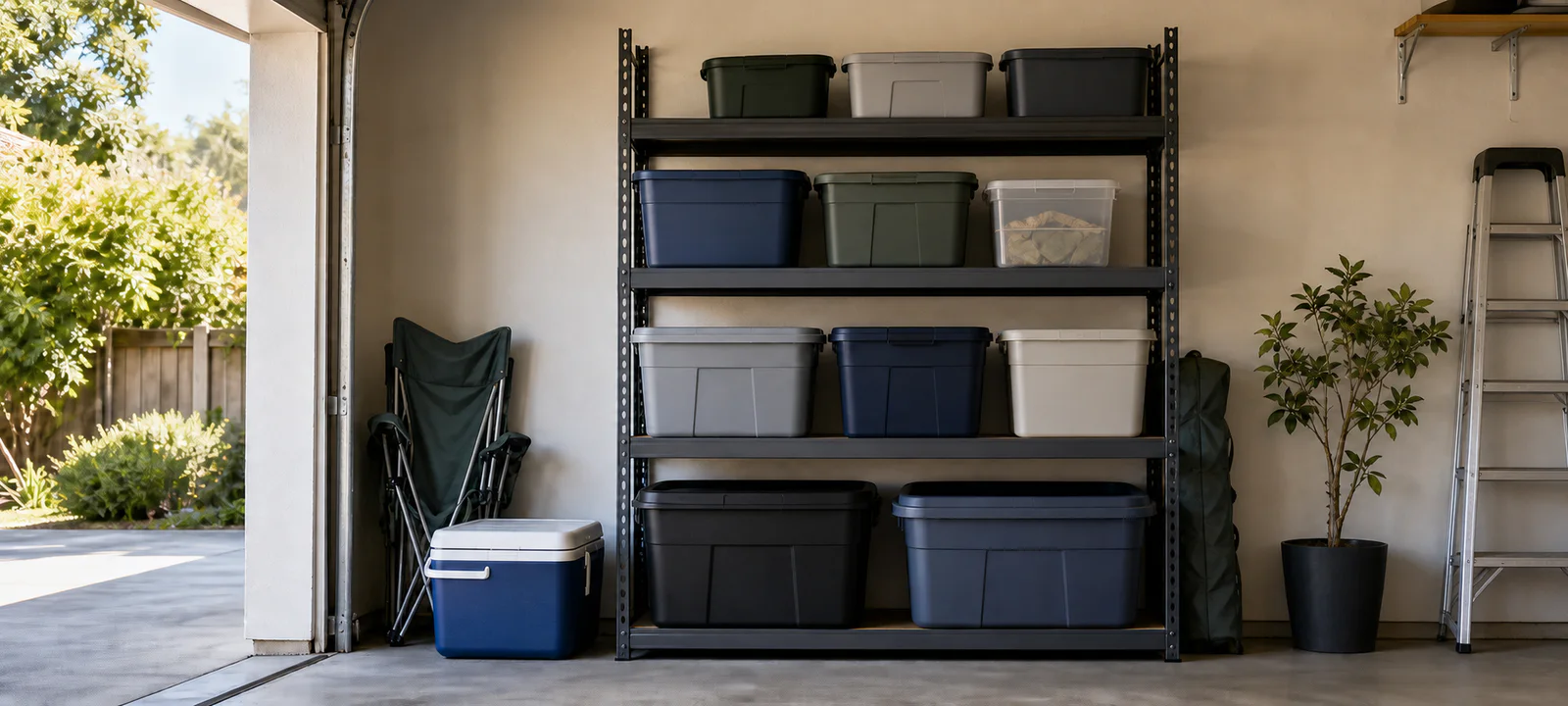
Sort garage items before adding more tubs, bins, boxes or labelled containers to the stack.
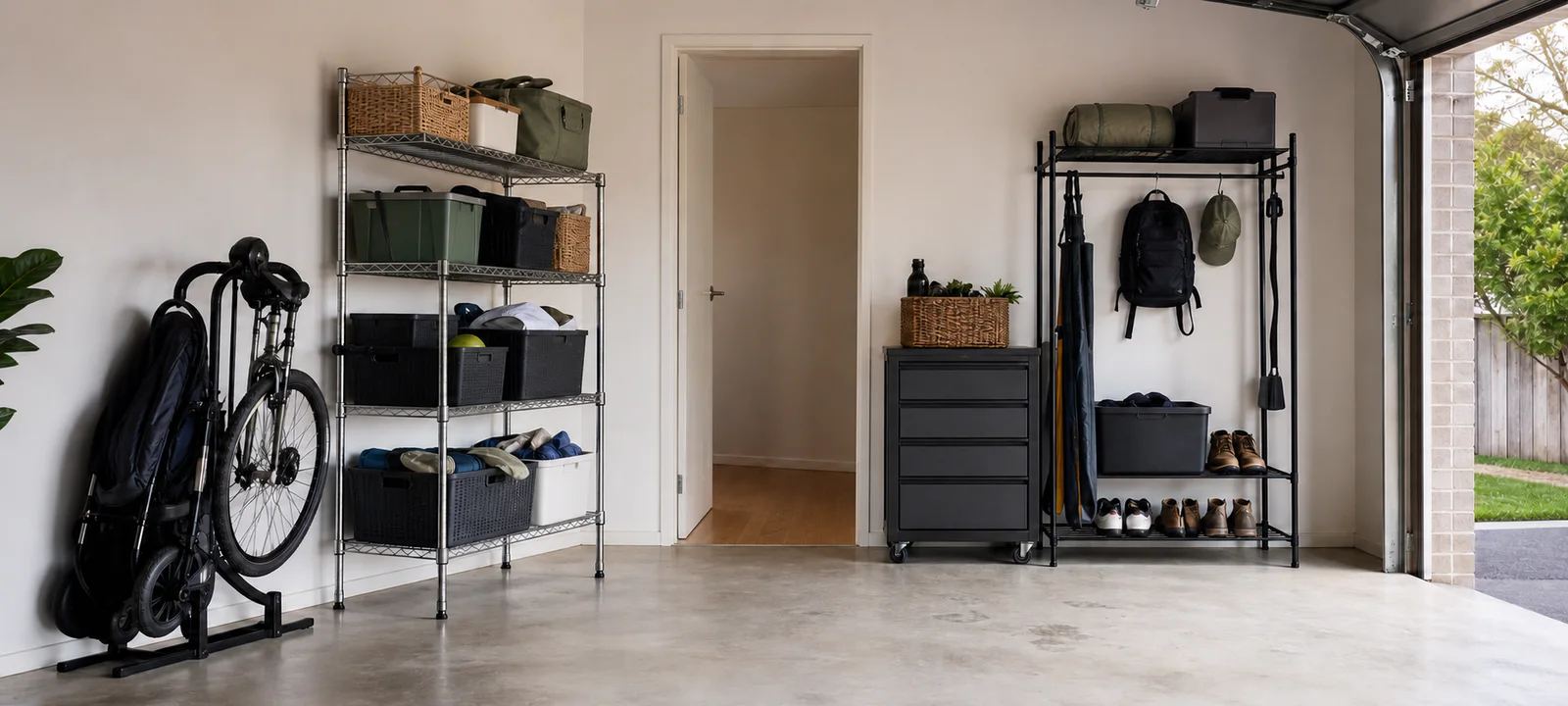
Plan shelves, tubs, racks, hooks and removable organisers around rental limits and garage access.
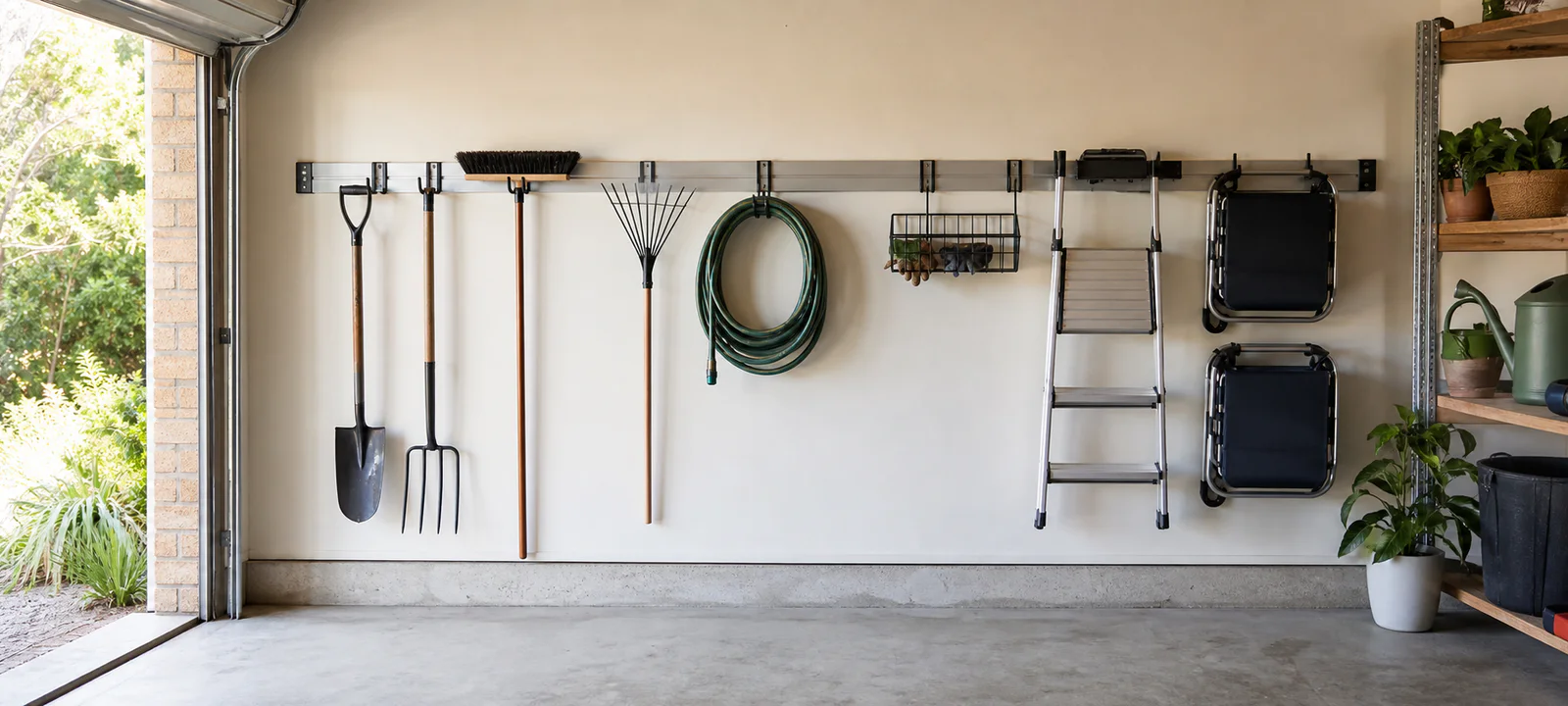
Use hooks, rails, panels and wall-mounted storage where they improve access without blocking movement.
Category focus
The right garage storage system depends on what it must hold, how often it is used and what the room must still do. Compare load information, shelf depth, dust and moisture exposure, fixing requirements and vehicle clearance before choosing a system.
Compare load ratings, shelf depth and whether the frame suits garage conditions.
Useful for seasonal items when they stack according to product guidance and are clearly labelled.
Keep bikes, hoses and tools off the floor when fixed according to instructions.
Make frequently used hand tools visible and easier to return.
Useful for heavier tools, sharp items and parts that need closed storage.
Check wall strength, lifting height and clearance before choosing a rack.
Keep rakes, brooms and shovels upright and away from car doors.
Simple labels can save repeated searching and duplicated purchases.
Plan first
Common mistakes
Related areas
Rooms rarely work in isolation. These nearby categories may help with another part of the same job.
There is no single best system. Open shelving suits frequently used tubs and equipment, cabinets control dust and visual clutter, and wall systems can free floor space when the wall, fixings and loaded projection are suitable. Choose only after measuring the parked car, door movement, walking routes and the real weight and size of the gear.
Choose shelf depth from the largest items that genuinely belong on the unit, then test the loaded shelf beside the parked vehicle. A deeper shelf is not automatically more useful if tubs overhang, car doors lose clearance or the walkway becomes difficult to use. Check the product's load and anchoring instructions as well as the footprint.
Measure with the car parked and its regularly used doors open. Protect the route to the house, use the shallowest suitable storage for measured items and plan bikes or awkward gear before filling walls with tubs. Keep heavy items low and leave some unallocated space for unloading and future changes.
Tubs can group seasonal items and reduce dust, while open shelves make frequently used or bulky gear easier to reach. Many garages need both. Measure full tubs, check lid access and stacking guidance, and avoid creating a wall of identical containers that must be moved to reach one item.